May 28, 2026
Florida Rear-End Collision Settlement Guide

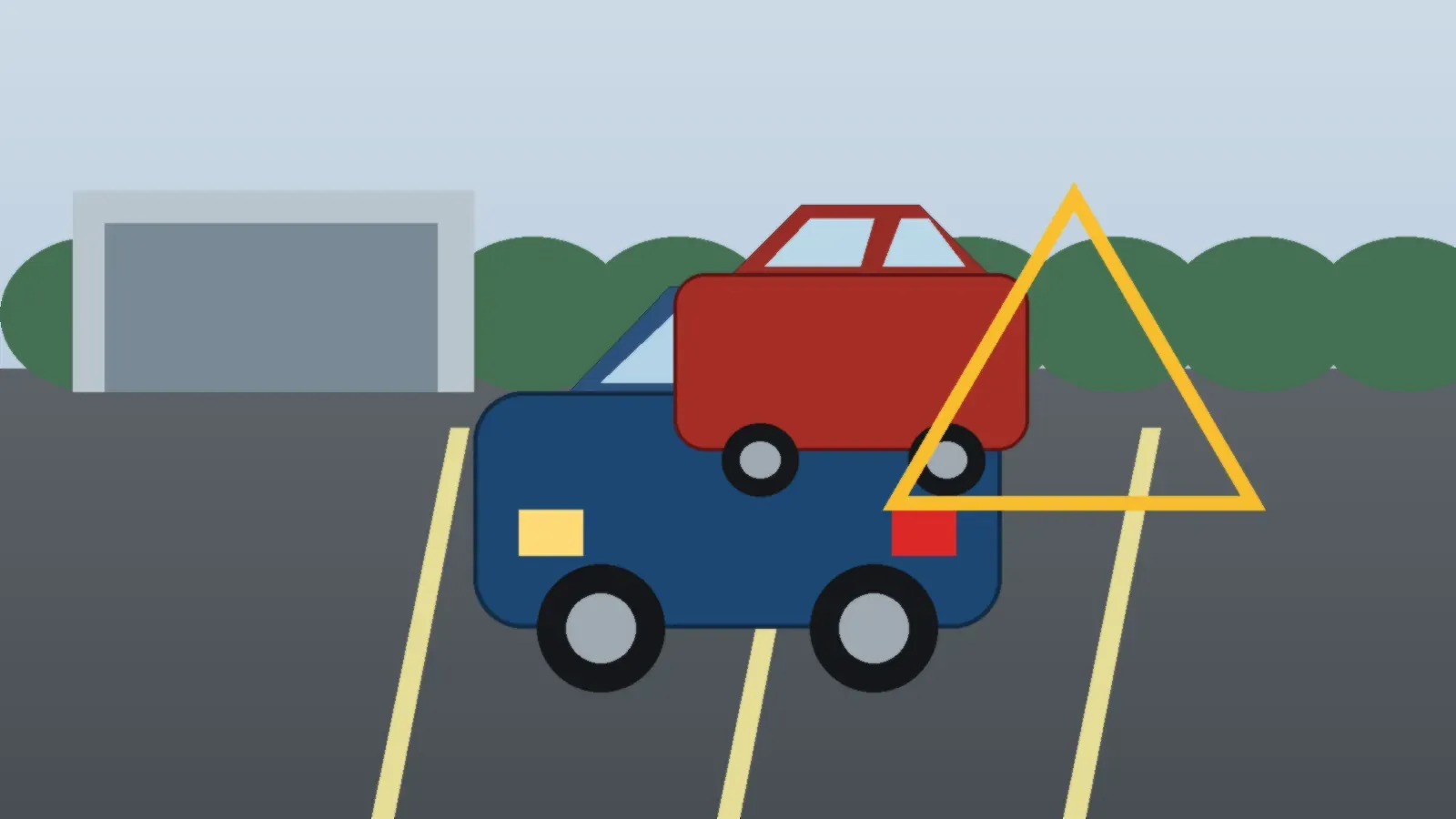
A stopped car can be hit in seconds, but the claim that follows can take months. A fair Florida rear-end collision settlement depends on the proof you preserve, the medical care you document, and the insurance issues you address before signing a release.
Call Injury LawStars now for a free Florida rear-end collision settlement consultation.
Injury LawStars explains that a Florida rear-end collision settlement is payment for proven crash losses after insurance review, negotiation, or litigation resolves a rear impact. Liability often starts with a presumption against the rear driver, but insurers may still dispute fault, injury cause, treatment gaps, or claimed losses. Florida Personal Injury Protection, often called PIP, can pay 80 percent of reasonable and necessary crash medical expenses up to $10,000, regardless of fault. The Florida Department of Highway Safety and Motor Vehicles explains this required coverage. A separate claim may address remaining losses when the facts, injuries, and available coverage support recovery.
Use this guide to understand the settlement timeline, what PIP pays first, which records matter most, and when legal help can protect the value of a rear-end crash claim.
Florida rear-end collision settlement timeline at a glance
Injury LawStars recommends thinking of the settlement process as a record-building timeline, not a quick offer cycle. The stronger the record, the easier it is to answer insurer questions about fault, treatment, expenses, and future needs.

| Stage | What happens | Why it matters |
|---|---|---|
| Medical care | You get examined, follow treatment, and save bills. | Records connect the crash to symptoms and costs. |
| PIP claim | Covered bills are submitted through no-fault benefits. | PIP may pay part of early medical expenses. |
| Investigation | Crash reports, photos, witnesses, and policy details are gathered. | Evidence supports fault and damages. |
| Demand package | Medical records, wage proof, and losses are presented. | The insurer gets a documented settlement request. |
| Negotiation | Offers and counteroffers are reviewed. | The claim value is tested against the proof. |
| Resolution | The case settles or litigation becomes necessary. | A release can close the claim, so timing matters. |
Some claims move quickly because injuries are limited and coverage is clear. Others take longer because treatment is ongoing, liability is disputed, or policy limits are still being identified. A fast offer is not always a fair offer if doctors do not yet know the full course of care.
Who is usually at fault in a Florida rear-end crash?
Injury LawStars explains that the rear driver is usually the first focus of fault review. A following driver is expected to leave enough room to react to ordinary traffic changes, which creates a practical starting presumption against the driver in back.
That presumption is helpful, but it is not automatic payment. The insurer may ask whether the lead vehicle stopped suddenly for no safe reason, had broken brake lights, changed lanes abruptly, or was pushed forward in a chain collision. Photos, repair damage, witness accounts, dashcam footage, and the crash report can help test those claims.
Fault also works alongside insurance coverage. PIP may apply first to covered medical expenses no matter who caused the wreck. A separate bodily injury claim may depend on the injury, proof of negligence, available coverage, and whether any shared-fault argument affects the claim. If you are still at the scene or recently left it, review these steps to take after a car accident in Florida.
How PIP and no-fault rules affect your settlement
Injury LawStars often sees confusion between PIP benefits and settlement value. PIP is an insurance benefit. It is not the final value of a Florida rear-end collision settlement, and it does not resolve every loss after a serious crash.
Florida drivers with current Florida registration generally must carry at least $10,000 in PIP coverage. FLHSMV states that PIP covers 80 percent of reasonable and necessary medical expenses up to $10,000 for a covered injury. That coverage can address part of early care while the parties gather treatment records, billing details, and policy information.
A bodily injury claim may enter the picture when documented losses and legal requirements support recovery beyond payable PIP benefits. The analysis may include the severity of injury, treatment course, medical opinions, wage loss, future care, available insurance, and disputed facts. For a deeper explanation of related claim values, see this guide to the average car accident settlement in Florida.
Speak with a Florida car accident lawyer before evidence gets harder to preserve.
What evidence should you preserve after a rear-end collision?
Injury LawStars recommends building one organized file from the first day. The goal is to show how the crash happened, what injuries followed, what treatment was needed, and how the collision affected work and daily life.

Crash and scene records
- Save the crash report number, officer information, and exchange-of-information sheet.
- Keep photos of vehicle positions, roadway conditions, traffic signs, skid marks, damage, airbags, and visible injuries.
- Export dashcam footage quickly and save the full file, not only a short clip.
- Write down witness names, phone numbers, emails, and brief statements while memories are fresh.
Medical and financial records
- Keep emergency, clinic, imaging, therapy, specialist, prescription, and referral records.
- Save every bill, explanation of benefits, PIP notice, and insurer letter.
- Collect pay stubs, wage statements, work restriction notes, and missed-shift records.
- Keep repair estimates, towing receipts, rental bills, and property damage photos.
Use clear file names, such as 2026-05-25-repair-estimate.pdf, and avoid editing original photos or medical files. Make a working copy if you need to add notes. For rear-end specific early steps, review this guide on what to do after a rear-end accident in Florida.
Why treatment documentation can change settlement value
Injury LawStars explains that settlement value is not based on pain alone. Insurers look for records that tie the crash to the injury, show what care was needed, and explain how the injury changed work, household tasks, sleep, driving, or daily routines.
A prompt medical exam can record symptoms before time blurs the timeline. Regular follow-up can show that pain did not end after one visit. Gaps in care can create questions because an insurer may argue that the injury improved, came from another cause, or did not require ongoing treatment.
Different records serve different roles. Emergency and clinic notes document early complaints. Imaging may clarify a structural injury. Therapy notes can track motion limits, pain with activity, missed sessions, and progress. A provider opinion may address cause, future care, or lasting limits when the record supports that view.
Good documentation does not promise a specific result. It gives both sides a clearer record of injury, cause, cost, and future needs. If you need help reviewing medical evidence and an offer, request a free consultation with Injury LawStars.
What factors can raise or lower a Florida settlement?
Injury LawStars looks at the full claim file, not just the words rear-end crash. A diagnosed spinal injury, fracture, surgery recommendation, lasting limitation, or documented work loss may support a higher demand than short-lived soreness with limited care.
Medical bills are one part of the picture. Settlement evaluation may also consider future treatment, lost wages, pain, daily restrictions, property damage, policy limits, shared-fault arguments, prior conditions, and the credibility of each record. A prior back or neck problem does not make a new injury meaningless, but it makes proof more important because records should show the pre-crash baseline and post-crash change.
Available insurance can also set a practical limit on recovery. A claim involving a commercial vehicle, rideshare driver, uninsured driver, or underinsured driver may require a closer coverage review. This is one reason a careful settlement analysis should happen before the injured person signs a release.
Insurer behavior can affect the practical value of the claim too. Delayed responses, repeated requests for the same records, broad medical authorizations, or pressure to settle before treatment ends can create risk for an injured person. A documented file gives the injured driver a stronger basis to ask why an offer is low, what evidence the insurer says is missing, and whether the release would close claims that still need medical review.
When should you call a lawyer after a rear-end crash?
Injury LawStars recommends calling a lawyer when injuries last beyond a short period, medical bills grow, work is missed, surgery is discussed, fault is disputed, or the insurer asks for a recorded statement before the full injury picture is clear.
Legal guidance can also help when the other insurer blames you for stopping, delays the claim, offers a low settlement early, or asks you to sign broad paperwork. A lawyer can compare the offer with treatment records, wage proof, future care needs, and available coverage.
Contact Injury LawStars before you accept a Florida rear-end collision settlement offer.
Do not sign a release until you understand what losses it closes. Once a settlement is final, reopening the claim is usually difficult even if pain, treatment, or lost wages continue.
Frequently Asked Questions
How long does a Florida rear-end collision settlement take?
A Florida rear-end collision settlement can take weeks or months. Timing depends on medical treatment, PIP processing, insurance coverage, liability disputes, record collection, and negotiation. Serious injuries or disputed facts usually take longer than claims with clear proof and limited treatment.
Is the rear driver always at fault in Florida?
No. The rear driver is often presumed responsible because following drivers should leave safe stopping distance. That presumption can be challenged with evidence involving unsafe sudden stops, broken brake lights, abrupt lane changes, or chain-reaction impacts.
What evidence helps a rear-end collision settlement?
Helpful evidence includes crash photos, vehicle damage, the police report, witness information, medical records, bills, repair estimates, lost wage proof, insurance letters, and a dated symptom journal. Consistent records make it harder for an insurer to undervalue the claim.
Should I accept the first settlement offer?
Be careful with an early offer, especially if you are still treating or waiting for test results. A first offer may not reflect future care, wage loss, or permanent limitations. Review the records and release terms before deciding.
Talk to Injury LawStars about your rear-end crash claim
A Florida rear-end collision settlement should be based on the full record, not pressure from an adjuster or uncertainty about PIP. Injury LawStars can review the crash facts, evidence, medical documentation, insurance coverage, and offer terms so you understand your next step.
Call Injury LawStars today for a free consultation about your Florida rear-end collision settlement.
About the Author
Katie Miller, Esq.
Managing Partner · Injury LawStars
Attorney Katie Miller was once an injury victim herself. After a car accident in 2016 that required spinal surgery and a 13-month recovery, she turned her experience into a mission: fighting for people who are hurting. With 17+ years of legal experience and over \$45 million recovered for clients, Katie brings both professional expertise and personal understanding to every case.