May 15, 2026
What To Do After a Rear-End Accident in Florida

What To Do After a Rear-End Accident in Florida
A rear-end accident in Florida can leave you shaken, sore, and unsure what to do next. The other driver may say they barely tapped you. Their insurance company may call before you know the full extent of your injuries. Meanwhile, Florida’s PIP rules, the 14-day treatment deadline, comparative negligence, and the two-year statute of limitations can all affect your claim.
Rear-ended in Florida? Call (407) 887-4690 or schedule a free consultation with Injury LawStars. We are available 24/7, and you pay no fees unless we win.
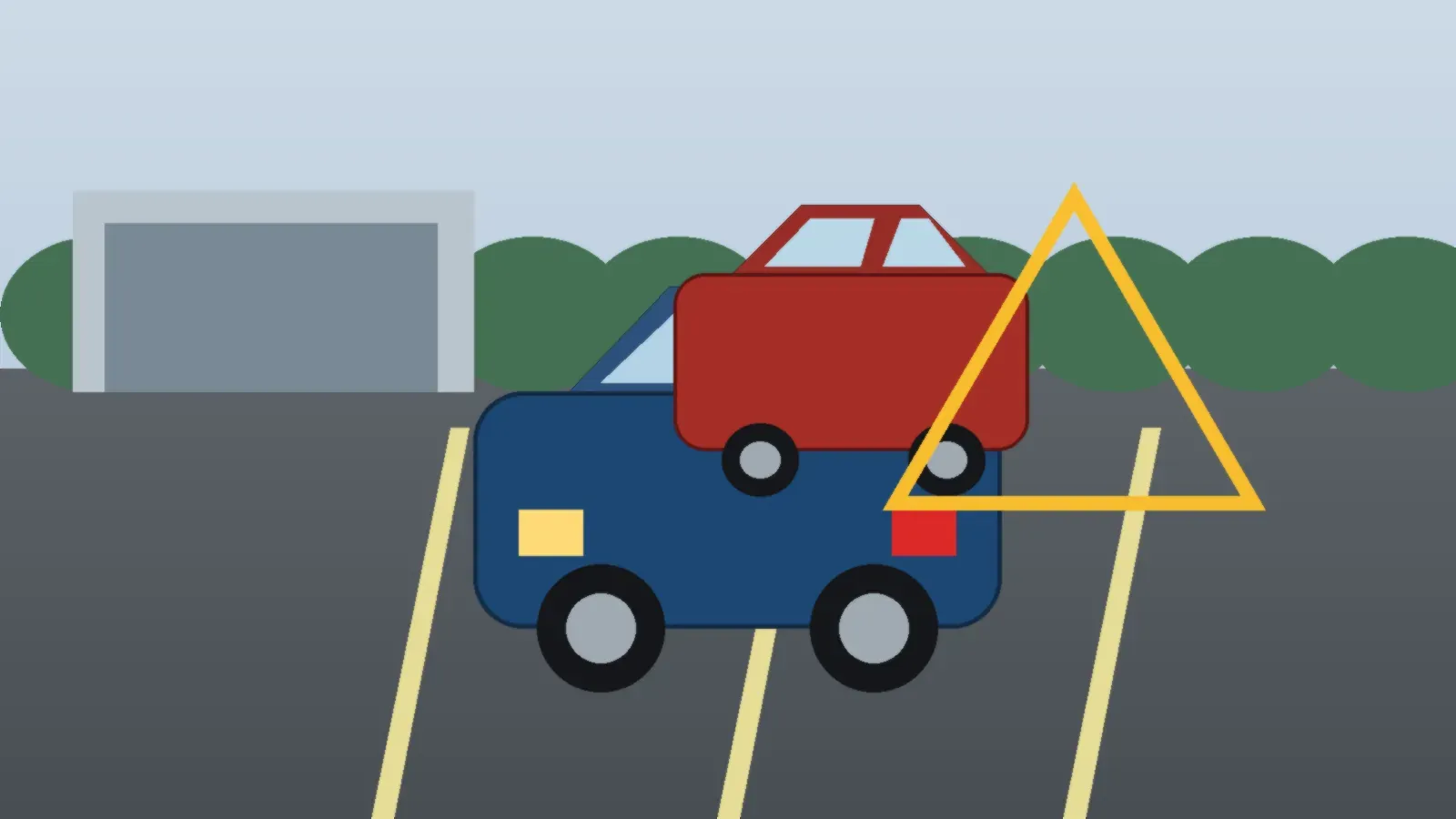
This guide explains what to do after a rear-end accident in Florida, how to protect your health, what evidence matters, when PIP applies, and when a Florida rear-end accident lawyer can help. It is written for crash victims who need practical steps, not legal jargon.
Quick Checklist: What To Do After a Rear-End Accident in Florida
If you are still at the scene or the crash just happened, focus on safety, medical care, and documentation. Use this checklist as a starting point:
- Move to a safe location if the vehicles can be moved and it is safe to do so.
- Call 911 if anyone is hurt, a vehicle is blocking traffic, or there is significant damage.
- Request law enforcement and ask how to obtain the crash report.
- Exchange names, contact information, driver’s license details, insurance information, and license plate numbers.
- Photograph vehicle damage, skid marks, traffic signals, weather, road conditions, and visible injuries.
- Get names and phone numbers for witnesses.
- Seek medical treatment as soon as possible, even if you feel only minor pain.
- Notify your insurance company, but keep your statement brief and factual.
- Do not admit fault, guess about speed, or say you are fine if you have not been checked by a doctor.
- Speak with an attorney before accepting money, signing a release, or giving a recorded statement to the other driver’s insurer.
Rear-end crashes can cause injuries that take hours or days to fully appear. Neck pain, headaches, back pain, dizziness, numbness, shoulder pain, and confusion should be taken seriously. A prompt medical exam protects both your health and the record of your injury claim.
Step 1: Check for Injuries and Call 911
Start with the people, not the property damage. Check yourself, your passengers, and anyone in the other vehicle. Call 911 immediately if anyone has pain, dizziness, bleeding, confusion, numbness, difficulty breathing, or any sign of head, neck, or back trauma.
Even when the collision seems minor, a police response can be important. A crash report may document the drivers, vehicles, location, weather, statements, citations, visible damage, and possible contributing factors. That report can become a key reference point when the insurance company reviews liability.
Florida law also requires certain crashes to be reported, including accidents involving injury, death, hit-and-run, DUI, commercial vehicles, or apparent property damage above the reporting threshold. If you are unsure whether your crash must be reported, calling law enforcement is usually the safer choice.
Step 2: Get Medical Care Within Florida’s 14-Day PIP Window
Florida is a no-fault state for many car accident medical benefits. That means your own Personal Injury Protection coverage, often called PIP, may pay a portion of your medical bills and certain lost wages regardless of who caused the crash. But there is a critical deadline: you generally must receive initial medical care within 14 days after the accident to qualify for PIP benefits.
This is one of the biggest mistakes victims make after a rear-end collision. They feel sore, decide to wait it out, and then learn that waiting may have hurt their access to PIP benefits and made the insurance company more skeptical of the injury claim.
Common rear-end accident injuries include:
- Whiplash and soft tissue injuries
- Herniated or bulging discs
- Concussions and traumatic brain injuries
- Shoulder, wrist, and knee injuries
- Spinal cord injuries
- Aggravation of prior back or neck conditions
- Headaches, dizziness, and nerve symptoms
Tell every medical provider exactly how the crash happened and describe all symptoms, even symptoms that seem small. Follow the treatment plan, attend appointments, and keep copies of bills, imaging results, prescriptions, work restrictions, and referral notes.
Step 3: Document the Rear-End Collision Before Evidence Disappears
Insurance adjusters make decisions based on evidence. The more complete your documentation is, the harder it becomes for an insurer to minimize what happened.
If you can safely take photos and videos, capture:
- The rear damage to your vehicle and the front damage to the striking vehicle
- All vehicle positions before they are moved, if it is safe to do so
- Debris, fluid leaks, skid marks, gouges, and damage to guardrails or signs
- Traffic lights, stop signs, lane markings, and construction zones
- Weather, lighting, and road conditions
- Visible injuries, seatbelt marks, bruising, and swelling
- The other driver’s license plate, insurance card, and driver’s license
Look around for cameras. Nearby businesses, homes, traffic cameras, rideshare dashcams, and commercial vehicles may have footage. Many systems overwrite video quickly, so it is important to act fast if surveillance footage may exist.
If witnesses stopped, ask for their names, phone numbers, and a short description of what they saw. Independent witness testimony can help if the other driver later changes their story.
Who Is at Fault in a Rear-End Accident in Florida?
In many Florida rear-end crashes, the rear driver is presumed to have been negligent because drivers are expected to leave enough following distance to stop safely. But fault is not automatic in every case. The other driver, their insurer, or their attorney may argue that you contributed to the collision.
Fault disputes can arise when the insurer claims:
- You made a sudden, unnecessary stop.
- Your brake lights were not working.
- You cut into the lane without enough space.
- A third vehicle caused a chain-reaction crash.
- Road debris, weather, or another hazard caused the impact.
- Your injuries came from a prior condition instead of the crash.
That is why evidence matters. Photos, vehicle damage patterns, witness statements, crash reports, dashcam footage, medical records, and expert analysis can all help show what happened and how the crash caused your injuries.
How Florida Comparative Negligence Can Affect Your Claim
Florida uses a modified comparative negligence system. In simple terms, your compensation can be reduced if you are found partly at fault. If your share of fault is too high, it can prevent recovery in many negligence cases.
Here is a practical example. If your damages are valued at $100,000 and you are found 20 percent at fault, your recovery may be reduced by 20 percent. That makes liability evidence important even in a rear-end crash where the other driver appears clearly responsible.
Do not give the insurance company unnecessary ammunition. Avoid guessing about speed, distance, or whether you could have avoided the crash. Do not apologize at the scene or say anything that sounds like an admission of fault. Stick to facts: where you were, what direction you were traveling, and what you personally observed.
What Not To Say to the Insurance Company After a Rear-End Crash
You should report the accident to your own insurer, but you do not have to help the insurance company build a defense against you. Adjusters may sound friendly, but their job is to protect the insurer’s money.
Avoid saying:
- “I’m fine.” You may not know the full injury picture yet.
- “I’m sorry.” It may be treated as an admission.
- “I did not see them coming.” The insurer may twist that statement.
- “It was just a minor crash.” Vehicle damage does not always match injury severity.
- “I think I was going about…” Guessing can create inconsistencies.
- “I can give a recorded statement now.” Talk to an attorney first if the other insurer asks for one.
It is usually enough to give basic facts: the date, location, vehicles involved, insurance information, and where your vehicle was damaged. If you are injured, say you are seeking medical care and do not yet know the full extent of your injuries.
If an adjuster is pressuring you for a recorded statement or quick settlement, contact Injury LawStars’ Florida car accident team before you respond. A free consultation can help you avoid mistakes that reduce your claim.
When Should You Call a Florida Rear-End Accident Lawyer?
You should consider speaking with a Florida rear-end accident lawyer as soon as possible if you were injured, missed work, needed follow-up medical care, or the insurance company is already questioning your claim. You should also call an attorney if the crash involved a rideshare driver, commercial vehicle, uninsured driver, multiple vehicles, disputed fault, or serious injuries.
An attorney can help by:
- Preserving surveillance video, dashcam footage, and other time-sensitive evidence
- Obtaining the crash report and insurance coverage information
- Coordinating medical documentation and work-loss records
- Identifying all available insurance policies
- Handling adjuster calls and recorded statement requests
- Calculating damages before settlement negotiations begin
- Preparing a demand package supported by evidence
- Filing a lawsuit if the insurer refuses to make a fair offer
This is especially important in serious injury cases. At Injury LawStars, Attorney Katie Miller understands this from both sides. On January 19, 2016, she was violently rear-ended at about 50 mph while stopped behind a citrus semi-truck. Her Honda Civic was crushed under the truck ahead, and she eventually needed spinal surgery and 13 months of disability. That experience shaped the firm’s mission: I Was You, Now I Represent You.
That lived experience matters when you are dealing with pain, medical bills, lost income, and an insurance company that does not understand what your life looks like after the crash.
What Compensation Can a Rear-End Collision Injury Claim Include?
The value of a rear-end collision injury claim depends on the severity of your injuries, the available insurance coverage, the strength of the liability evidence, your medical treatment, and how the crash affects your daily life.
Potential compensation may include:
- Emergency room care, urgent care, and ambulance bills
- Doctor visits, imaging, physical therapy, injections, surgery, and medication
- Future medical care and rehabilitation
- Lost wages and reduced earning capacity
- Out-of-pocket costs, transportation, and household help
- Pain and suffering
- Mental anguish, inconvenience, and loss of enjoyment of life
- Property damage and vehicle-related losses
PIP may cover part of your immediate medical bills and wage loss, but PIP is often not enough when injuries are serious. A bodily injury claim against the at-fault driver, an uninsured or underinsured motorist claim, or other coverage may be needed to pursue full compensation.
Before you accept a settlement, make sure you understand what you are releasing. A settlement release usually ends your claim permanently, even if your pain gets worse later or you need more treatment than expected.
How Long Do You Have To File a Rear-End Accident Lawsuit in Florida?
Florida generally gives injury victims two years from the date of the accident to file a personal injury lawsuit. This deadline is known as the statute of limitations. If you miss it, you may lose the right to bring a lawsuit, even if your injuries are serious.
Two years can sound like plenty of time, but strong cases are built early. Vehicles get repaired, video gets overwritten, witnesses move, memories fade, and medical documentation gaps can become harder to explain. If you have questions about timing, read more about the Florida personal injury lawsuit timeline.
There can also be shorter practical deadlines tied to insurance notices, PIP benefits, evidence preservation, and claims involving certain defendants. Do not wait until the statute of limitations is close to expiring before getting advice.
What If the Rear-End Crash Involved a Truck or Commercial Vehicle?
A rear-end crash involving a semi-truck, delivery truck, construction vehicle, or company vehicle can be more complex than a typical car accident. These cases may involve the driver, employer, vehicle owner, maintenance company, cargo company, or other parties.
Commercial cases may also involve evidence that needs to be preserved quickly, including electronic logging device data, black box or ECM data, maintenance records, driver qualification files, dispatch records, and post-crash drug or alcohol testing. If a truck or commercial vehicle hit you, contact an attorney quickly and review Injury LawStars’ guide to Florida truck accident claims.
Common Mistakes That Can Hurt a Florida Rear-End Accident Claim
Many claim problems start with understandable decisions made in the days after a crash. Avoid these mistakes:
- Waiting too long to get medical care. Delayed treatment can affect PIP benefits and give the insurer a reason to dispute causation.
- Stopping treatment too early. Gaps in care are often used to argue that you recovered or were not seriously hurt.
- Posting about the crash online. Photos, comments, check-ins, and activity posts can be taken out of context.
- Repairing or selling the vehicle too quickly. Vehicle damage can be important evidence, especially when injury causation is disputed.
- Giving a recorded statement without preparation. Adjusters know how to ask questions that create harmful sound bites.
- Accepting the first settlement offer. Early offers often arrive before the full medical picture is clear.
- Assuming the rear driver will admit fault forever. Stories can change once insurance money is involved.
Not sure whether the offer is fair? Call (407) 887-4690 for a free case review. Injury LawStars has recovered more than $45 million for clients, and our team handles cases throughout Florida.
How Injury LawStars Helps Rear-End Accident Victims
Injury LawStars represents injured people throughout Florida, including clients in Clermont, Orlando, Central Florida, and communities statewide. The firm is built for people who want direct attention, practical guidance, and an attorney who understands what it feels like to be injured and overwhelmed.
Our differentiators are simple:
- Lived injury experience. Katie Miller has been through a devastating rear-end crash herself.
- No fees unless we win. You pay no attorney fees unless we recover money for you.
- Free consultations. You can ask questions before making a decision.
- 24/7 availability. Accidents do not happen on a convenient schedule.
- Proven results. The team has recovered more than $45 million for injury clients.
- Statewide Florida coverage. We help crash victims across Florida.
Rear-end crashes are personal to this firm. We know how quickly an ordinary day can turn into surgery, disability, financial stress, and frustration with insurance companies. That is why we move quickly to protect evidence, build the claim, and push for the compensation our clients need.
FAQs About Rear-End Accidents in Florida
What should I do first after being rear-ended in Florida?
Check for injuries, call 911 if anyone is hurt or there is significant damage, move to safety if possible, exchange information, take photos, and seek medical care promptly. You should also notify your insurer, but keep statements factual and avoid admitting fault.
Do I have to see a doctor within 14 days after a Florida rear-end accident?
If you want to preserve access to Florida PIP benefits, you generally need initial medical care within 14 days of the crash. Waiting can create insurance problems and may also delay diagnosis of injuries that need treatment.
Is the rear driver always at fault in Florida?
The rear driver is often presumed negligent, but fault is not automatic in every case. Insurers may argue sudden stop, lane change, brake light failure, chain-reaction impact, or another cause. Evidence is important if fault is disputed.
Should I give a recorded statement to the other driver’s insurance company?
You should speak with an attorney before giving a recorded statement to the other driver’s insurer. Adjusters may ask questions designed to minimize your injuries, shift blame, or create inconsistencies in your claim.
How long do I have to sue after a rear-end accident in Florida?
Florida’s statute of limitations for many personal injury lawsuits is generally two years from the accident date. There may be other practical deadlines for insurance benefits and evidence preservation, so it is best to get advice early.
How much is my rear-end collision injury claim worth?
Claim value depends on injury severity, medical treatment, lost income, pain and suffering, liability evidence, insurance coverage, and future care needs. A lawyer can evaluate the facts before you accept a settlement release.
Talk to a Florida Rear-End Accident Lawyer Today
If you were rear-ended in Florida, do not let the insurance company decide what your recovery is worth before you understand your rights. Get medical care, preserve evidence, protect your deadlines, and speak with a legal team that knows the road ahead.
Call Injury LawStars at (407) 887-4690 or schedule your free consultation online. We are available 24/7, serve clients statewide, and charge no fees unless we win.
About the Author
Katie Miller, Esq.
Managing Partner · Injury LawStars
Attorney Katie Miller was once an injury victim herself. After a car accident in 2016 that required spinal surgery and a 13-month recovery, she turned her experience into a mission: fighting for people who are hurting. With 17+ years of legal experience and over \$45 million recovered for clients, Katie brings both professional expertise and personal understanding to every case.