June 5, 2026
Ocala Delivery Truck Accident Lawyer Guide

A delivery van strike can leave an Ocala family facing more than one insurance fight. The driver’s route, employer, and electronic records may all decide what recovery is available.
Call (407) 887-4690 to discuss an Ocala delivery truck accident claim with Injury LawStars.
An Ocala delivery truck accident lawyer investigates whether the driver, employer, vehicle owner, or another company bears responsibility for an injury crash. That work can include securing driver logs, dispatch records, GPS or route data, video, and maintenance documents before records are lost or disputed. It can also test whether hiring, training, supervision, or delivery pressure helped cause a preventable collision on a busy Ocala street. In Florida, vehicle ownership and employer conduct can create additional paths to accountability for medical bills, lost income, and other proven harm. The Florida Bar explains that the state’s dangerous instrumentality doctrine may hold a vehicle owner liable for injuries caused by negligent operation.
This guide answers what to protect, who may owe compensation, and how to start a claim after an Ocala delivery-vehicle collision. First, it explains why these claims can involve additional parties and company-held records.
Ocala delivery truck accident lawyer: why these claims are different
A delivery van or box truck crash may look like a normal roadway collision at first. Yet the vehicle may have been in service for a business, on an assigned route, or carrying packages. An investigation must ask what happened on the road and what company activity shaped the trip.
Company operations and records
In a two-car crash, key proof often starts with drivers, witnesses, photos, and repair records. A delivery collision can also raise questions about dispatch instructions, delivery schedules, driver training, vehicle upkeep, and cargo handling. Those records may show whether a business decision played a role in the crash.
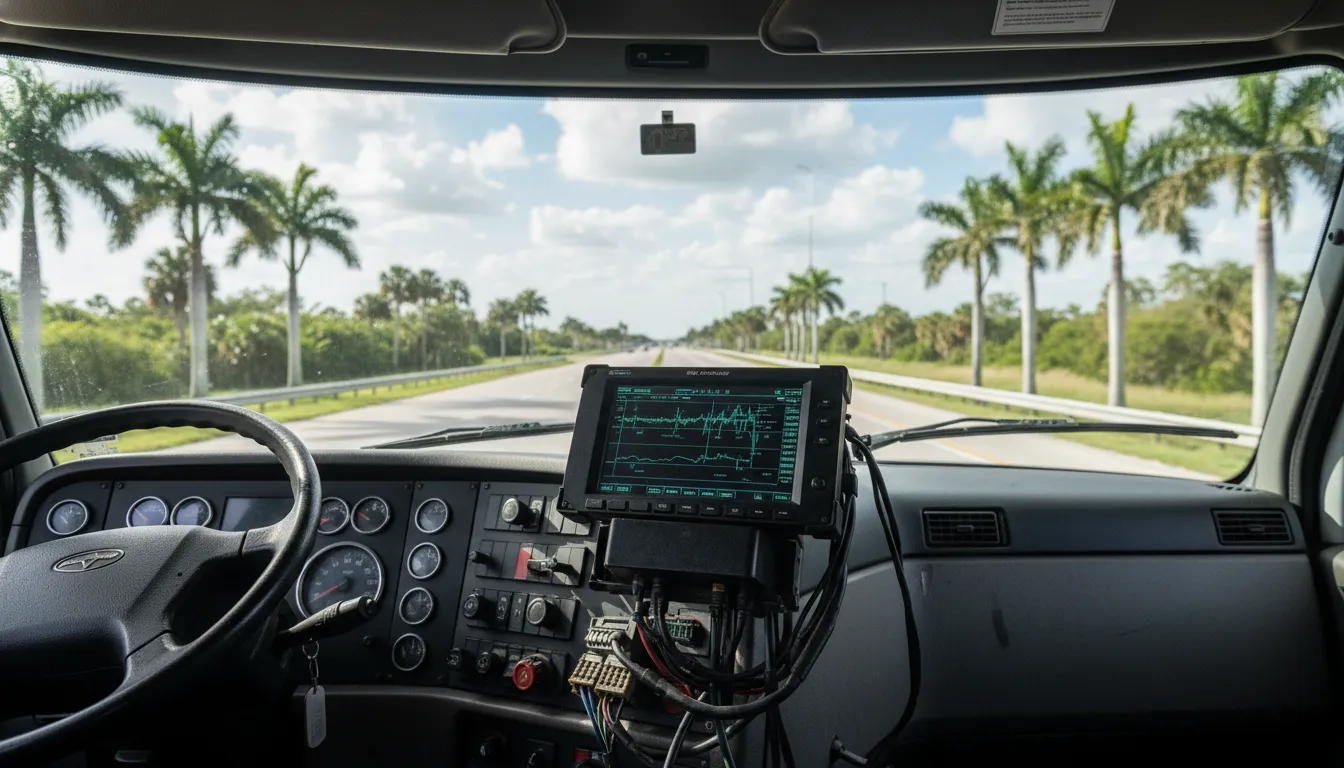
Some commercial operations must use electronic logging devices to record driving time under federal rules. The Federal Motor Carrier Safety Administration’s ELD rule explains which drivers and carriers are covered. Whether ELD data exists in a given Ocala crash depends on the vehicle and operation involved.
Insurance questions beyond one driver
A personal auto claim often begins with the two motorists and their insurers. With a delivery truck, the review may also involve a business policy, the vehicle owner, or another firm tied to the delivery work. An Ocala delivery truck accident lawyer can examine the parties and policies shown by the records.
That step matters because a branded van does not answer every coverage question. A driver may work for a local business, a delivery contractor, or another company using the vehicle. Policy documents, contracts, and ownership records can clarify who should receive notice of a claim.
More than one responsible party
Responsibility may not stop with the person behind the wheel. The facts may require review of the driver, an employer, an owner, a maintenance provider, or a company that controlled the route. For injured people in Marion County, Ocala legal representation should account for local care needs and the commercial issues in the file.
This added layer does not mean a result is automatic. It means the evidence may come from more sources than in a common car crash. Early review can help preserve the right records while the claim is being assessed.
Who may be responsible for a delivery truck collision?
Liability starts with the crash facts
A delivery truck crash may involve more than one responsible party. The driver may have made an unsafe turn, followed too closely, or failed to yield. Yet the truck’s ownership, the driver’s task, and the vehicle’s condition can also shape the claim.
Florida law can hold a vehicle owner responsible for negligent use by an allowed driver under the dangerous instrumentality doctrine. The Florida Bar’s discussion of commercial driver liability explains this rule. Whether it applies depends on the ownership and permission facts in the case.
Possible parties and useful proof
A clear review asks who controlled the vehicle and the delivery work. It also asks who had a duty to keep the truck safe. No company is responsible just because its name appeared on a package or app.
A delivery company’s role is not assumed. A route assignment, time record, or dispatch message may show whether the driver was serving the business when the collision took place.
| Possible party. | Evidence to review. | Why it matters. |
|---|---|---|
| Delivery driver. | Crash report, video, phone records, witness accounts. | May show unsafe driving caused the collision. |
| Vehicle owner. | Title, lease, rental agreement, permission records. | May support owner responsibility under Florida law. |
| Employer or delivery company. | Route assignment, dispatch messages, pay records, work policies. | May show the driver was doing assigned work. |
| Maintenance provider. | Inspection, repair, tire, and brake records. | May show a known mechanical issue was not fixed. |
| Loader or logistics party. | Cargo records, loading instructions, delivery contract. | May matter if loading or routing helped cause the crash. |
Records that connect a party to the harm
A failed brake, worn tire, or unstable load points toward a different line of proof. Inspection papers and loading records can show which business had control before the truck reached an Ocala road.
Commercial vehicle proof may exist before a person knows to request it. For covered carriers and drivers, the FMCSA electronic logging device rule addresses records used to track hours-of-service compliance. Dispatch files, route data, and maintenance records can also help test each liability theory.
An Ocala delivery truck accident lawyer can examine these records against the actual delivery arrangement. A driver may be an employee, contractor, or worker using another party’s vehicle. The label alone does not settle liability; the documents and crash facts do.
What evidence matters after an Ocala delivery truck accident?
A delivery crash can leave several records spread across many hands. Photos may show the road and vehicle damage, while a company may hold route data or repair files. The goal is to save what explains how the crash happened, who controlled the vehicle, and what losses followed.
Evidence at the scene and soon after
Start with items that can change or disappear from view. If it is safe, take photos or video of vehicle damage, lane positions, skid marks, debris, traffic signs, and nearby cameras. Keep the crash report number, insurance details, and contact details for any witness.
- Photograph the truck’s company name, license plate, unit number, and visible damage.
- Save medical visit records, tow receipts, repair estimates, and missed-work records.
- Ask witnesses for a phone number and email address, not only a first name.
- Write down stores, homes, or traffic cameras that may have recorded the collision.
These steps create a clear starting point for an investigation. For a broader review of records and next actions, see these truck accident legal steps for Florida crashes.
Records held by the delivery business
Useful proof may also be held by the driver, delivery company, vehicle owner, or a repair vendor. Those records can include delivery assignments, dispatch messages, GPS or route history, dash camera video, inspection forms, and vehicle maintenance files. Each item may help explain the route, condition, or use of the truck.
Electronic logs may matter when the vehicle and driver fall under federal log rules. For covered operations, the Federal Motor Carrier Safety Administration’s ELD rule addresses electronic recording of a driver’s duty status. That record may be reviewed with route data and delivery times, rather than viewed in isolation.
Preservation requests and timing
A preservation request tells a business and other record holders to keep identified evidence related to a crash. It may list video, electronic logs, GPS data, delivery records, phone or dispatch data, inspection records, and maintenance history. The request should describe the collision and the records sought with enough detail to locate them.
Timing matters because video can be overwritten and digital records may be kept under routine systems. An Ocala delivery truck accident lawyer can identify likely record holders and send focused requests. Keep your own copies of photos, contacts, reports, bills, and messages while the request process moves forward.
What should you do after a delivery truck crash in Ocala?
A delivery truck crash can leave you hurt, shaken, and unsure what to do first. These steps can help you protect your health and keep useful records. An Ocala delivery truck accident lawyer can review those records and explain claim options based on your facts.
Seven steps after the crash
-
Get emergency care. Call for medical help if anyone is injured, or seek care as soon as symptoms appear. Do not assume pain, dizziness, or limited movement will pass on its own.
-
Report the crash. Contact law enforcement and give clear, basic facts about what occurred. Ask how to obtain the crash report number and a copy of the completed report.
-
Document what you safely can. If your condition and the scene allow it, take photos of vehicles, damage, road marks, signs, and company markings. Write down witness names and contact details.
-
Protect your records. Keep medical instructions, bills, prescriptions, crash photos, repair estimates, and insurance letters in one place. Save digital files in a backup folder so they are not lost.
-
Pause before giving statements or signing papers. An insurer or delivery company may ask for a recorded account or release. Understand what a request covers before you respond or sign away rights.
-
Track your losses. Keep receipts for treatment, travel to appointments, vehicle costs, and other crash-related expenses. Save pay records and missed-work notes if the injury affects your job.
-
Ask about preserving evidence. Delivery crash records may be held by a driver, vehicle owner, or company. Counsel can discuss steps to request that records tied to the crash be preserved.
Records beyond the crash scene
A delivery vehicle case may involve records you cannot collect at the roadside. For covered commercial drivers and vehicles, the Federal Motor Carrier Safety Administration’s electronic logging device rule addresses electronic hours-of-service records. Depending on the vehicle and company, counsel can assess whether related records may matter.
Careful contact with insurers
Keep communication calm and factual while your medical care and records develop. You can report the collision without guessing about injuries, fault, or future treatment. Before accepting payment or signing a release, review what claims the document may end.
Call (407) 887-4690 if you need help documenting losses after an Ocala delivery truck collision.
What compensation may be available after a delivery crash?
Financial losses tied to the injury
A delivery crash can leave bills and lost income long after vehicles are removed from an Ocala road. A claim may include reasonable medical care, hospital treatment, therapy, rehabilitation, medication, and repair or replacement costs for damaged property. Future care should be tied to medical guidance, not guesswork.
Time away from work can create another measurable loss. Keep pay stubs, missed-shift records, tax returns, invoices, and letters about work limits. Injuries may reduce the work a person can do later. An Ocala delivery truck accident lawyer can review records needed to assess reduced earning capacity.
Harm without a receipt
Some harm does not arrive as a bill. Pain, sleep loss, fear while driving, and limits on normal activities may affect daily life after serious injuries. These losses require careful proof because they are personal and cannot be shown by one receipt.
A daily journal can record pain levels, missed family plans, limits on chores, and trouble with hobbies. Medical records may show the diagnosis and treatment course. A person’s account can explain how the injury changes ordinary days. A truck accident claim damages review can help organize loss categories without promising a dollar amount.
Documents that build the damages picture
Proof should begin early and remain organized. Save medical bills, discharge papers, therapy plans, medication receipts, repair estimates, wage records, and photographs of damaged items. Also save notices or emails from insurers and delivery companies, since they may identify records or disputed issues.
A delivery truck case may include records held by the driver or company. For covered commercial carriers, the FMCSA’s electronic logging device rule addresses records of a driver’s duty status. Those records do not value an injury, but they may help show what happened before the crash.
- Keep each bill and receipt with its date and provider name.
- Ask employers for written proof of missed hours, pay, or changed duties.
- Track follow-up care and daily activity limits as treatment continues.
No two delivery crashes cause the same losses. A clear file of medical, work, property, and daily-life records helps connect each requested loss to its supporting proof.
How can a lawyer respond to delivery company defenses?
After a delivery crash, a company may dispute important parts of a claim. These disputes do not prove either side is right. A lawyer responds by matching each issue to records, witnesses, and medical proof created near the collision.
An Ocala legal representation team can examine local crash facts without assuming fault from the start. The question is not which side speaks first. The question is what reliable records show.
Work status and company records
A delivery company may contend that its driver was off duty or outside assigned work when the crash occurred. A lawyer can compare route assignments, dispatch messages, delivery scans, time records, and witness accounts. Those items may show where the vehicle was going and why it was on the road.
The company may also argue that a requested record does not apply to that vehicle or trip. That issue calls for careful review, not a broad assumption. The Federal Motor Carrier Safety Administration’s electronic logging device rule explains which regulated drivers must use covered electronic logs.
Other sources may matter even when an electronic log requirement is disputed. A lawyer may seek app records, GPS history, loading documents, repair files, photographs, and available video. Prompt preservation requests can help keep useful proof from being lost through routine system changes.
Medical causation and documented loss
A company or insurer may question whether the crash caused the claimed injury. It may point to earlier pain, a gap in care, or a different event. Medical records help test that dispute by showing symptoms, diagnoses, treatment plans, and changes after the collision.
Consistent care is not just a claim value issue. It gives doctors a clearer timeline for symptoms and recovery. A lawyer can gather emergency records, imaging reports, therapy notes, prior medical history, and provider opinions while protecting unrelated private material.
The amount of loss may be contested as well. Bills, receipts, wage statements, tax records, and employer letters can connect a loss to the injury period. For a self-employed person, invoices and past income records may help explain interrupted work.
A fact-based response
An Ocala delivery truck accident lawyer can organize each defense as a question that needs proof. Was the driver working? Which vehicle records exist? Do the medical records connect treatment to the crash? What documents support each claimed expense or missed paycheck?
This method keeps the response focused on verifiable details. It also helps identify missing proof early, while records may still be requested and witnesses may still recall events. A disputed claim is stronger when each answer rests on dated documents and clear medical support.
Frequently Asked Questions
Can I sue a delivery company if its driver hit me in Ocala?
A delivery company may be responsible when its driver causes a crash while performing work duties. Florida may also impose responsibility on a vehicle owner under the dangerous instrumentality doctrine, as explained by The Florida Bar. The facts must show who owned the vehicle, who employed the driver, and what the driver was doing when the collision occurred.
What evidence should I collect after a delivery truck accident in Ocala?
Keep the crash report, photographs, medical records, repair estimates, witness contact information, and insurance communications. A commercial delivery vehicle may also have electronic records, including applicable driver log data from an electronic logging device. The Federal Motor Carrier Safety Administration describes the ELD rule. A prompt preservation request can help prevent relevant company-held evidence from being lost.
Who can be held liable in an Ocala delivery vehicle accident?
Potentially responsible parties may include the delivery driver, an employer, a vehicle owner, or another business whose conduct contributed to the collision. For example, a claim may examine unsafe driving, negligent hiring or supervision, or control of the vehicle. Liability depends on contracts, ownership records, the driver’s work assignment, insurance policies, and evidence showing how each party’s conduct caused injury.
What damages can an injured person seek after an Ocala delivery truck accident?
An injured person may seek compensation for documented medical costs, future care needs, lost earnings, reduced earning ability, and other proven losses caused by the collision. Pain and suffering may also be evaluated when Florida law permits recovery. According to The Florida Bar, economic damages such as medical expenses and lost earnings are not capped by Florida statute in personal injury cases.
Ready to Discuss Your Ocala Delivery Crash Claim?
Waiting can make a delivery collision claim harder to build as records disappear, memories fade, and insurance questions keep demanding careful answers. Starting now gives your legal team time to identify responsible parties, request available records, and organize proof before key decisions arrive. Early guidance can also help you avoid missteps while you focus on medical care, missed work, and the next practical step.
Ready to take the next step? Contact Injury LawStars to discuss an Ocala delivery truck accident claim and request a review of what happened and what records may matter. Start today so you can talk to a lawyer about deadlines, available evidence, and a plan for moving your claim forward.
About the Author
Katie Miller, Esq.
Managing Partner · Injury LawStars
Attorney Katie Miller was once an injury victim herself. After a car accident in 2016 that required spinal surgery and a 13-month recovery, she turned her experience into a mission: fighting for people who are hurting. With 17+ years of legal experience and over \$45 million recovered for clients, Katie brings both professional expertise and personal understanding to every case.