April 22, 2026
How to Get a Fair Truck Accident Settlement

After a truck accident in Florida, the first question on your mind is probably, “How much is my case worth?” While every case is unique, a truck accident settlement is almost always significantly larger than a typical car accident claim. Why? Because a collision with a semi-truck or 18-wheeler isn’t just a bigger car crash—it’s a completely different legal situation. These cases involve more severe injuries, complex questions about who is at fault, and massive commercial insurance policies. This article breaks down what makes these claims unique and what you need to understand to protect your rights.
Contact Injury LawStars for a free case evaluation. Call (407) 887-4690 today. We work on a contingency fee basis, so you owe nothing unless we win your case.
This guide breaks down average truck accident settlement ranges in Florida, explains the factors that affect your compensation, and shows you why truck accident claims require a different approach than a typical car accident case.
What’s a Typical Truck Accident Settlement in Florida?
There is no single “average” truck accident settlement in Florida because every case is different. However, based on the severity of injuries, truck accident settlements generally fall into these ranges:
| Injury Severity | Typical Settlement Range | Examples |
|---|---|---|
| Minor injuries | $50,000 to $200,000 | Soft tissue injuries, whiplash, minor fractures that heal within months |
| Moderate injuries | $200,000 to $750,000 | Herniated discs, broken bones requiring surgery, long recovery periods |
| Severe injuries | $750,000 to $3 million | Spinal cord injuries, traumatic brain injuries, multiple surgeries, permanent limitations |
| Catastrophic or fatal | $3 million to $10 million+ | Paralysis, amputation, wrongful death, lifelong care needs |
These ranges are general guidelines, not guarantees. Some truck accident cases in Florida have resulted in jury verdicts exceeding $20 million when the trucking company’s negligence was extreme or the injuries were permanently life-altering. On the other hand, cases with shared fault or limited documentation may settle toward the lower end of these ranges.
Understanding the Averages and Medians
When you start looking into truck accident settlements, you’ll quickly come across terms like “average” and “median.” It’s important to know the difference. For instance, one analysis found the average truck accident settlement is about $103,654, while the median is just $30,000. The median represents the middle value—meaning half of the settlements were higher and half were lower. It’s often a more realistic snapshot because the average can be easily skewed by a few exceptionally large, multi-million dollar awards. Think of it this way: if nine people have $10 and one person has $1 million, their “average” wealth is over $100,000, but that figure doesn’t accurately reflect what most people in the group actually have.
Data from Recent Case Studies
On the other end of the spectrum, case studies reveal the significant potential of truck accident claims, particularly when negligence is severe and the injuries are catastrophic. For example, some landmark cases have resulted in massive verdicts, such as $52 million for a client who suffered a brain injury and $31 million in a wrongful death case. While these outcomes are not typical, they show what is at stake and demonstrate that when a trucking company’s actions cause devastating harm, the compensation can and should reflect the magnitude of that loss. These high-value results underscore the importance of meticulously documenting every aspect of your injury and its long-term impact on your life.
Why Averages Can Be Misleading
The simple truth is that there is no single “average” settlement amount that can predict the value of your truck accident case. As legal experts often point out, the compensation you receive is tied to the unique circumstances of your accident. Your settlement isn’t determined by a national average; it’s built on the specific facts of what happened to you in Florida. Key factors include the severity of your injuries, the total of your past and future medical bills, your lost income, and the strength of the evidence gathered. That’s why our team at Injury LawStars focuses on building a case around your personal story, whether you’re in The Villages, Ocala, or Clermont, to determine what fair compensation truly means for you and your family.
Settlement Ranges for Different Injury Levels
The most critical factor that influences your settlement value is the severity of your injuries. It’s no surprise that more serious injuries, like spinal cord damage or a traumatic brain injury, generally result in higher settlements. National data shows that truck accident settlements can range from $100,000 to over $500,000, with some cases reaching into the millions. This is because the compensation must cover more than just the initial hospital visit; it needs to account for the long-term consequences. This can include ongoing physical therapy, future surgeries, adaptive equipment for your home, lost earning capacity if you can no longer perform your job, and the profound pain and suffering that comes with a life-altering injury.
For example, someone who sustains minor fractures in a truck accident in Leesburg might see a settlement that covers their immediate medical bills and a few months of missed work. In contrast, a construction worker from Groveland who is hit by a semi-truck and suffers a permanent back injury will have a much higher value case. Their claim would need to account for a lifetime of lost wages, extensive medical care, and a significant loss of quality of life. At Injury LawStars, we have experience handling this full spectrum of cases, from moderate injuries to catastrophic ones, ensuring every client’s current and future needs are fully considered in the final settlement.
Understanding Florida’s No-Fault Law and Your Truck Accident Claim
Florida’s “no-fault” insurance system can be confusing. It means your own Personal Injury Protection (PIP) policy is the first to cover your medical bills, regardless of who caused the crash. While all drivers must have this coverage, the severe injuries from a commercial truck collision mean victims in places like Ocala, The Villages, and Clermont often face costs that far exceed the $10,000 PIP limit. This is where a personal injury claim begins, allowing you to pursue the full compensation you need to recover from a serious truck accident.
Your Initial Coverage: Personal Injury Protection (PIP)
Your PIP policy provides immediate financial relief, covering 80% of medical bills and 60% of lost wages up to $10,000. While helpful, this amount is rarely enough for the costs of a truck accident, which can involve hospital stays and extensive rehabilitation. Think of PIP as a small, initial safety net. It’s there to catch you right away, but it’s not built to support the long-term financial weight of a catastrophic injury. Once that limit is reached, you must look to the at-fault party’s insurance to cover the rest of your expenses.
The Critical 14-Day Rule for Medical Treatment
Here’s a rule you cannot ignore: you must seek medical treatment within 14 days of the accident to be eligible for your PIP benefits. If you wait until day 15, you forfeit your right to that coverage entirely. This is crucial because many serious injuries, like internal bleeding or a brain injury, don’t always show immediate symptoms. The adrenaline from the crash can mask pain for days. Seeking a prompt medical evaluation protects both your health and your legal right to use the insurance coverage you’ve paid for.
When Can You Sue for Pain and Suffering? The “Serious Injury” Threshold
Because of the no-fault law, you can’t file a lawsuit for pain and suffering unless your injuries meet Florida’s “serious injury” threshold. This is the legal gateway to pursuing compensation beyond your economic losses. To qualify, your injury must result in a significant and permanent loss of an important bodily function, a permanent injury, significant and permanent scarring, or death. For example, a broken arm that heals completely might not meet the threshold, but a spinal cord injury leading to paralysis would. An experienced attorney can evaluate your medical records to determine if your case meets this critical standard.
Why Truck Accident Settlements Are Higher Than Car Accident Payouts
If you have already read our guide on Florida settlement questions, you know that every personal injury case is unique. But truck accidents consistently produce higher settlements than car accidents for several specific reasons:
The Reality of More Severe Injuries
A fully loaded commercial truck can weigh 80,000 pounds. A passenger car weighs about 4,000 pounds. When these vehicles collide, the physics are devastating. Truck accident victims are far more likely to suffer catastrophic injuries like spinal cord damage, traumatic brain injuries, crushed limbs, internal organ damage, and burns. These injuries cost more to treat, require longer recovery periods, and often result in permanent disability.
The National Impact of Truck Accidents
Your accident in Florida is part of a much larger, national issue. Across the country, the consequences of commercial truck crashes are felt not just by victims and their families, but by public safety and healthcare systems as a whole. The sheer economic weight of these incidents is immense. National research highlights the severe financial impact, showing that the average cost for a truck accident involving a single injury is nearly $150,000. When an accident is fatal, that cost can skyrocket to over $7 million. These figures underscore why your case is so significant and why insurers and trucking companies are held to such a high standard of accountability after a crash in communities like Ocala, Leesburg, or The Villages.
The Staggering Financial Cost of a Crash
The financial aftermath of a truck accident is often what drives the settlement value. While studies show the average truck accident settlement is just over $100,000, the median is closer to $30,000. This difference reveals that while many cases settle for modest amounts, the most severe cases result in significantly higher compensation. The reason is clear: catastrophic injuries, such as a traumatic brain injury or spinal cord damage, require more extensive and expensive medical treatment and have a greater impact on your quality of life. The settlement must account for a lifetime of care, lost earning capacity, and profound pain and suffering, which is why these cases often result in multi-million dollar outcomes.
Trucks Have Higher Insurance Policy Limits
Federal Motor Carrier Safety Administration (FMCSA) regulations require commercial trucks to carry much higher insurance minimums than passenger vehicles. Most interstate trucking companies carry $1 million to $5 million in liability coverage, and some carry even more. By comparison, Florida only requires passenger vehicle drivers to carry $10,000 in Personal Injury Protection (PIP) and $10,000 in Property Damage Liability. More insurance coverage means more money available to pay your claim.
Federal Minimum Insurance Requirements for Commercial Trucks
These federal minimums, set by the Federal Motor Carrier Safety Administration (FMCSA), are in place for a critical reason: to account for the immense damage a commercial truck can inflict. Unlike a standard car accident where Florida’s low insurance minimums can be exhausted quickly, the multi-million dollar policies on trucks provide a necessary financial safety net. This larger pool of funds is what allows victims to seek full compensation for all their losses, including lifelong medical care, extensive rehabilitation, lost earning capacity, and profound pain and suffering. For families in communities like Ocala or The Villages, this difference in coverage can mean the difference between financial ruin and a secure future after a devastating crash. An experienced truck accident attorney understands how to hold these large insurance carriers accountable to ensure every dollar you deserve is recovered.
Who’s at Fault? It Could Be More Than Just the Driver
A car accident typically involves two drivers and their insurance companies. A truck accident can involve liability from:
- The truck driver (fatigue, distraction, impairment)
- The trucking company (negligent hiring, unrealistic schedules, failure to maintain vehicles)
- The truck or parts manufacturer (brake failure, tire blowouts, defective components)
- The cargo loading company (improperly loaded or overweight cargo)
- Maintenance contractors (missed inspections, faulty repairs)
Each liable party may have a separate insurance policy. Your attorney can pursue claims against all responsible parties to maximize your compensation.
What Factors Determine Your Truck Accident Settlement Amount?
Several factors determine how much your truck accident settlement will be worth. Understanding these factors can help you make informed decisions about your case.
Not sure what your case is worth? Schedule a free consultation with Injury LawStars and we will evaluate your truck accident claim at no cost to you.
1. The Severity of Your Injuries and Future Care
This is the single biggest factor. A truck accident that results in a herniated disc requiring outpatient physical therapy will settle for far less than one that causes paraplegia requiring lifelong care. Insurance companies and juries both consider the long-term medical outlook. Permanent disabilities, chronic pain conditions, and injuries requiring future surgeries all increase the value of your claim.
2. Your Past, Present, and Future Medical Bills
Your documented medical expenses form the foundation of your economic damages. This includes emergency room bills, hospital stays, surgeries, rehabilitation, medication, medical devices, and any future treatment your doctors recommend. The higher your medical bills, the higher your settlement is likely to be.
3. Lost Wages and Your Ability to Work
If your injuries prevented you from working during recovery, you can claim those lost wages. If your injuries permanently limit your ability to earn a living (you cannot return to your previous job or work at all), an economist can calculate the total loss of future earning capacity. For a 35-year-old earning $60,000 per year who can never work again, this single category can be worth well over $1 million.
4. Proving the Trucking Company Was Negligent
Truck accident cases often involve evidence that the trucking company violated federal regulations. Common violations include:
- Drivers exceeding hours-of-service limits (driving while fatigued)
- Falsified driver logs or electronic logging device (ELD) records
- Failed pre-trip inspections or overdue maintenance
- Hiring drivers with poor safety records or inadequate training
- Overloaded or improperly secured cargo
When your attorney can prove that the trucking company knowingly violated safety regulations, it strengthens your claim and often leads to significantly larger settlements. In some cases, it may also support a claim for punitive damages.
5. What if You’re Partially at Fault? (Florida’s Rule)
Under Florida’s modified comparative negligence law (effective March 2023), your settlement is reduced by your percentage of fault. If you are found more than 50% at fault, you cannot recover anything. For example, if your total damages are $1 million but you are found 20% at fault, your award is reduced to $800,000. Insurance companies for trucking companies will aggressively try to pin fault on you, so having strong evidence and legal representation is critical.
6. The Truck’s Insurance Policy Limits
Even when your damages are clear and well-documented, the available insurance coverage sets a practical ceiling on your settlement. Most trucking companies carry substantial coverage ($1 million to $5 million or more), but if multiple victims are involved in the same accident or your damages exceed policy limits, your attorney may need to pursue additional sources of compensation.
What Does a Truck Accident Settlement Actually Cover?
Florida law allows truck accident victims to pursue several categories of damages:
Covering Your Financial Losses (Economic Damages)
- Emergency medical treatment and hospitalization
- Surgical procedures and follow-up care
- Physical therapy and rehabilitation
- Prescription medications and medical equipment
- Lost wages during recovery
- Loss of future earning capacity
- Property damage (vehicle repair or replacement)
- Home modifications (if injuries require them)
- Transportation costs for medical appointments
What About Your Car? Filing a Diminished Value Claim
Your settlement should cover more than just the repair bill for your car. It should also account for its diminished value. Even after perfect repairs, a vehicle that has been in a serious collision with a commercial truck loses significant resale value. Why? Because its accident history will show up on vehicle reports, making future buyers wary and lowering its market price. This loss is a real, calculable damage you can claim. To successfully file a diminished value claim, you’ll need to document this loss, often with a professional appraisal. Because commercial insurers can be difficult to deal with, having an experienced truck accident attorney can be essential to recovering the full, hidden cost of the damage to your vehicle.
Compensation for Pain and Suffering (Non-Economic Damages)
- Physical pain and suffering
- Emotional distress and mental anguish
- Loss of enjoyment of life
- Loss of consortium (impact on your spousal relationship)
- Scarring, disfigurement, and permanent disability
Punishing Gross Negligence (Punitive Damages)
In cases involving extreme negligence or intentional misconduct by the trucking company or driver (such as a driver under the influence of drugs or alcohol, or a company that knowingly sent an unsafe truck onto the road), Florida courts may award punitive damages. These are intended to punish the wrongdoer and are awarded on top of your compensatory damages.
What’s the Timeline for a Florida Truck Accident Settlement?
Truck accident settlements typically take longer than car accident settlements because of the added complexity. Here is a general timeline:
| Phase | Typical Duration |
|---|---|
| Medical treatment and maximum medical improvement (MMI) | 3 to 18 months |
| Investigation, evidence gathering, and expert review | 2 to 6 months |
| Insurance demand and negotiation | 1 to 6 months |
| Filing a lawsuit (if needed) and discovery | 6 to 18 months |
| Mediation or settlement conference | 1 to 3 months |
| Trial (if needed) | 3 to 6 months |
Most truck accident cases settle within 12 to 24 months. Cases that go to trial can take two to three years from the date of the accident. Your attorney should not rush you into a settlement before you have reached maximum medical improvement, because settling too early means you may not account for all of your future medical costs.
How Long Do Most Cases Take?
I know you want this process to be over as quickly as possible, but patience is essential in a truck accident case. While every situation is unique, most truck accident cases in Florida settle within 12 to 24 months. This timeline is crucial because it allows you to reach what’s known as Maximum Medical Improvement (MMI)—the point where your doctors have a clear picture of your long-term prognosis. Settling before you reach MMI is a huge risk, as you could be left paying for future surgeries or treatments out of your own pocket. The complexity of these cases, from investigating trucking company logs to negotiating with large corporate insurers in places like Ocala or The Villages, simply takes time. If your case doesn’t settle and a lawsuit is necessary, the process could extend to two or three years.
Beware of Insurance Company Delay Tactics
Soon after the crash, you can expect a call from the trucking company’s insurance adjuster. It’s vital to understand that their job is to protect their company’s bottom line, not to help you. They will use various tactics to minimize or deny your claim and will aggressively try to pin fault on you. This is especially dangerous under Florida’s fault laws, where being found more than 50% responsible means you get nothing. Adjusters may offer a quick, lowball settlement before you know the full extent of your injuries, or they might request a recorded statement to twist your words later. Never give one. Instead, let an experienced truck accident attorney handle all communications to protect your rights.
How to Protect Your Settlement: Common Mistakes to Avoid
Truck accident victims sometimes make mistakes early in the process that reduce the value of their claim. Avoid these common errors:
- Giving a recorded statement to the trucking company’s insurer. Anything you say can be used to reduce or deny your claim. Let your attorney handle all communication with insurance companies.
- Accepting the first settlement offer. Initial offers are almost always far below the true value of your case. Insurers make low offers hoping you will accept before consulting a lawyer.
- Delaying medical treatment. If you wait days or weeks to see a doctor, the insurance company will argue that your injuries were not serious or were caused by something other than the accident.
- Posting on social media. Photos, check-ins, and status updates can be used against you. A post showing you at a family event can be twisted to argue that your injuries are not as bad as you claim.
- Not preserving evidence. Dashcam footage, truck black box data, and driver logs can be erased or overwritten. An attorney can send a spoliation letter requiring the trucking company to preserve all evidence.
1. Gather Evidence at the Scene
In the chaotic moments after a truck accident, your first priority is safety. But if you are able, gathering evidence can be one of the most important things you do to protect your claim. Use your phone to take pictures and videos of everything: the positions of the vehicles, the damage to your car, skid marks on the road, and your injuries. Get the names and contact information of any witnesses who saw what happened. It’s also critical to make sure a police report is filed. This official report creates an initial record of the facts. This evidence is the foundation your attorney will use to build your case and establish exactly what happened, which can make a huge difference in the outcome of your claim.
2. Finish All Prescribed Medical Treatment
Following your doctor’s orders is not just essential for your health—it’s crucial for your legal claim. Your documented medical expenses, from the initial emergency room visit to ongoing physical therapy, form the basis of your economic damages. If you stop treatment early or miss appointments, the trucking company’s insurer will argue that your injuries weren’t as severe as you claim or that you weren’t committed to your recovery. Completing all prescribed care ensures you have a comprehensive medical record that proves the full extent of your injuries and the cost of your recovery. This documentation is vital for securing a settlement that covers all your past, present, and future medical needs.
3. Keep Detailed Records of Everything
Think of yourself as the lead archivist for your own case. From day one, create a file and save everything related to the accident and your injuries. This includes all medical bills, receipts for prescriptions, and mileage logs for trips to the doctor. Keep detailed notes about how your injuries affect your daily life—the pain you feel, activities you can no longer do, and the emotional toll it’s taking. You should also gather pay stubs or a letter from your employer to provide clear proof of your lost wages. Meticulous records paint a clear picture of your financial and personal losses, making it much harder for an insurance company to dispute the value of your claim.
4. Don’t Sign Anything from an Insurance Company
Soon after the accident, you will likely get a call from the trucking company’s insurance adjuster. They may sound friendly and concerned, but it’s important to remember they work for the insurance company, and their goal is to pay out as little as possible. They may ask you to provide a recorded statement or pressure you to sign a medical authorization form. Do not sign or agree to anything without speaking to an attorney first. A skilled truck accident lawyer can handle all communications with the insurer, protecting you from saying something that could be used against you and ensuring any documents you sign don’t jeopardize your rights to fair compensation.
5. Understand Why a Claim Might Be Denied
Insurance companies are for-profit businesses, and they often look for reasons to deny or devalue claims. Being aware of their common tactics can help you and your attorney prepare a stronger case. An insurer might argue that your injuries were caused by a pre-existing condition, that you were primarily at fault for the crash, or that the medical treatment you received was unnecessary. They may dispute the severity of your pain and suffering or try to prove you could have returned to work sooner. This is why having a strong legal advocate is so important. An experienced attorney anticipates these arguments and builds a case with solid evidence to counter them from the start.
How an Attorney Maximizes Your Truck Accident Settlement
Truck accident cases are more complex than standard car accident claims because of the federal regulations involved, the multiple potential defendants, and the substantial insurance policies at stake. An experienced truck accident attorney can:
- Investigate the accident and identify all liable parties
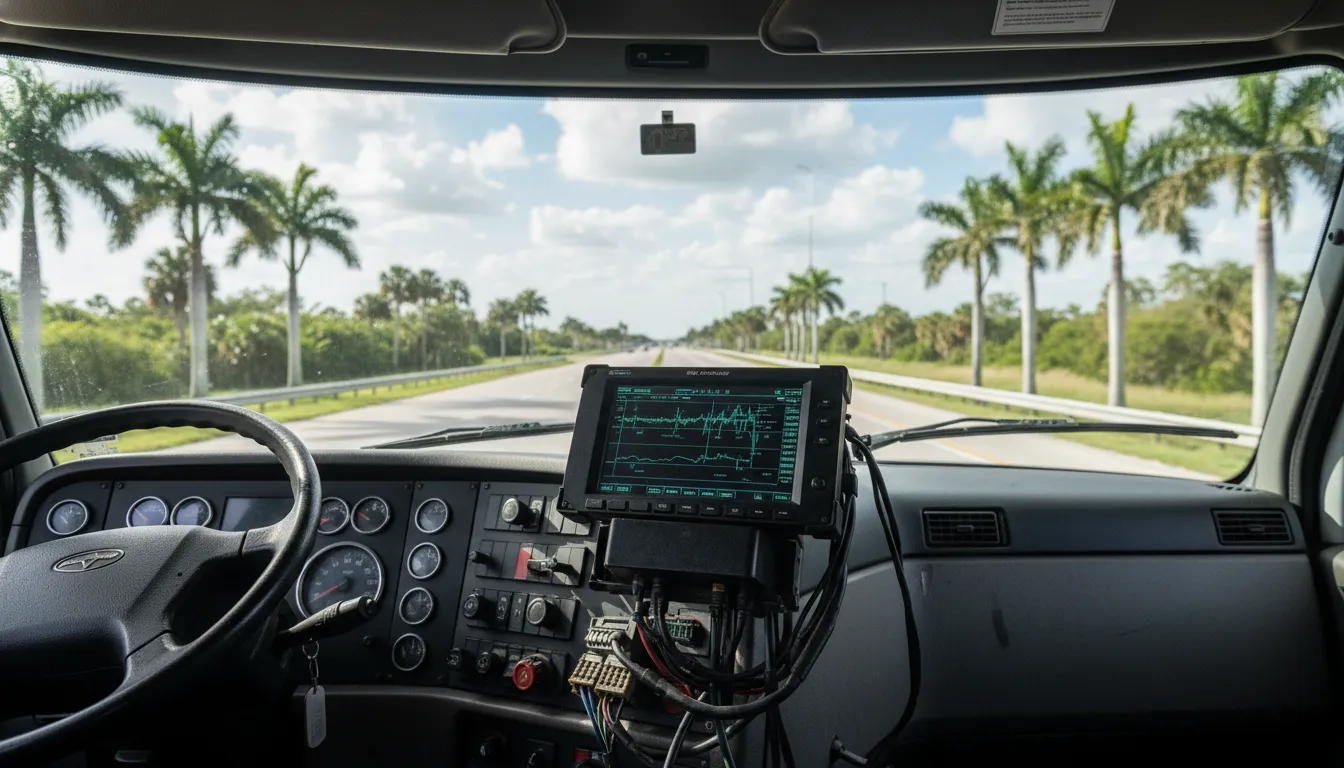
- Obtain and analyze the truck’s black box data, driver logs, and maintenance records
- Hire accident reconstruction experts and medical specialists
- Calculate the full value of your claim, including future medical costs and lost earning capacity
- Negotiate with experienced insurance defense teams who handle trucking claims every day
- Take your case to trial if the insurance company will not offer fair compensation
At Injury LawStars, Attorney Katie Miller knows firsthand what it feels like to be seriously injured in a collision with a large vehicle. In 2016, she was rear-ended at 50 mph and crushed under a semi-truck, requiring spinal surgery and 13 months of recovery. That personal experience drives our commitment to fighting for every dollar our clients deserve.
Frequently Asked Questions About Truck Accident Settlements in Florida
What is the average settlement for a Florida truck accident?
Truck accident settlements in Florida range from $50,000 for minor injuries to over $10 million for catastrophic injuries or wrongful death. There is no fixed average because each case depends on factors like injury severity, medical costs, lost income, and the degree of the trucking company’s negligence.
Truck vs. car accident settlements: What’s the real difference?
Truck accident settlements are generally higher because the injuries are more severe, commercial trucks carry larger insurance policies ($1 million to $5 million or more), and multiple parties may share liability. The involvement of federal trucking regulations also adds complexity that can increase the value of the claim. Learn more about Florida settlement questions.
How long will my truck accident case take to settle?
Most truck accident cases settle within 12 to 24 months. Cases that require a lawsuit and go to trial can take two to three years. The timeline depends on the complexity of the case, the severity of your injuries, and whether the insurance company is willing to negotiate in good faith.
Can I sue the trucking company, not just the driver?
Yes. In most cases, the trucking company is liable for the driver’s actions under the legal doctrine of respondeat superior (employer liability). The trucking company may also be directly liable if it failed to properly maintain the truck, violated hours-of-service rules, or hired a driver with a poor safety record.
Does driver fatigue affect my settlement amount?
Driver fatigue is one of the most common causes of truck accidents. Federal hours-of-service rules limit how long a truck driver can operate without rest. If the driver or trucking company violated these rules, it strengthens your case and may support a claim for punitive damages in addition to compensatory damages.
Do I have to pay taxes on my truck accident settlement?
In most cases, compensation for physical injuries and medical expenses is not taxable under federal law. However, punitive damages and interest on your settlement may be taxable. Consult a tax professional for advice specific to your situation.
If you or a family member was injured in a truck accident in Florida, do not wait to get legal help. Contact Injury LawStars today for a free case evaluation. Call (407) 887-4690. We handle every case on a contingency fee basis, meaning you pay nothing unless we recover compensation for you.
The Broader Impact: Making Our Roads Safer
While a settlement provides crucial financial support for an individual victim, the impact of a truck accident lawsuit extends far beyond a single case. Each time a negligent trucking company is held accountable, it creates a ripple effect that promotes safety for everyone. When a company faces a significant financial penalty for pushing a driver to violate hours-of-service limits or for failing to maintain its fleet, it is forced to reconsider its practices. This accountability is one of the most powerful tools we have to encourage safer policies, protecting other families traveling the roads in communities like Ocala, Leesburg, and The Villages from suffering a similar fate.
How Injury LawStars Fights for Safer Roads in Florida
At Injury LawStars, we believe that fighting for our clients also means fighting for a safer community. When we take on a truck accident case, our investigation goes deep. We look beyond the driver to uncover systemic failures within the trucking company, from falsified driver logs to negligent hiring practices. By exposing these violations and holding every responsible party accountable, we not only build a stronger case for our client but also send a powerful message to the trucking industry. This legal pressure is essential for enforcing stricter adherence to safety regulations, ultimately making the roads safer for everyone in places like Clermont, Wildwood, and across Florida. Our mission is to secure the justice you deserve while helping to prevent the next tragedy from happening.
Key Takeaways
- Truck accident settlements are higher for a reason: These claims are valued differently due to the potential for catastrophic injuries, large commercial insurance policies, and the fact that liability can extend beyond the driver to the trucking company itself.
- Proving fault is more complex than in a car crash: A strong case requires a deep investigation into the trucking company’s compliance with federal safety rules, using evidence like driver logs and maintenance records to establish negligence.
- Your actions right after the accident matter: Protect your right to compensation by seeking medical care within 14 days for PIP benefits, documenting the scene thoroughly, and letting an attorney handle all communication with the trucking company’s insurer.
Related Articles
- Truck Accident Lawsuit in Florida: What Victims Need to Know
- Car Accident Settlement Amounts in Stuart, FL
- Wrongful Death Settlements in Florida | What to Expect
About the Author
Katie Miller, Esq.
Managing Partner · Injury LawStars
Attorney Katie Miller was once an injury victim herself. After a car accident in 2016 that required spinal surgery and a 13-month recovery, she turned her experience into a mission: fighting for people who are hurting. With 17+ years of legal experience and over \$45 million recovered for clients, Katie brings both professional expertise and personal understanding to every case.