March 28, 2026
How to Choose the Right Personal Injury Lawyer in Florida
Choosing the right personal injury lawyer could be the most important decision you make after an accident. The attorney you hire will determine whether you receive full, fair compensation or walk away with far less than you deserve. With thousands of personal injury lawyers in Florida alone, the process can feel overwhelming, especially when you are dealing with pain, medical bills, and uncertainty about your future.
This guide breaks down exactly what to look for, what red flags to watch out for, and what questions to ask so you can find a personal injury lawyer who will fight for the outcome you need. Attorney Katie Miller at Injury LawStars has been through the injury claim process herself and uses that firsthand experience to help clients across Florida get the justice they deserve.
Call Injury LawStars at (407) 887-4690 for a free consultation. We do not charge any fees unless we win your case.
Why Choosing the Right Lawyer Matters More Than You Think
Not all personal injury lawyers deliver the same results. The difference between an experienced, dedicated attorney and one who treats your case as just another file can mean tens or even hundreds of thousands of dollars in your settlement or verdict.
Insurance companies know which lawyers are willing to go to trial and which ones will settle cheap. They track law firms, their settlement patterns, and their trial records. When you hire a lawyer with a proven track record, the insurance company adjusts its offers accordingly. When you hire a lawyer who never goes to court, the insurance company knows it can lowball you.
According to the Insurance Research Council, claimants who hire personal injury attorneys receive settlements that are on average 3.5 times higher than those who try to handle claims on their own. That gap exists because experienced lawyers know how to properly value a claim, gather the right evidence, and apply pressure where it counts.
What Should You Look for in a Personal Injury Lawyer?
Finding the right attorney starts with knowing which qualities actually matter. Marketing budgets and billboard size are not reliable indicators of quality. Here is what you should evaluate instead.
Specialization in Personal Injury Law
Personal injury law is its own specialized field with unique rules, procedures, and strategies. A lawyer who handles divorces, criminal cases, and the occasional injury claim is not going to have the depth of knowledge you need.
You want an attorney or firm that focuses primarily on personal injury cases. These lawyers deal with insurance companies every day. They know the tactics adjusters use to minimize claims, and they know how to counter them. In Florida, personal injury law involves specific statutes like the state’s comparative negligence rules under HB 837, PIP (Personal Injury Protection) insurance requirements, and strict filing deadlines that a general practice attorney may not handle regularly.
Trial Experience That Insurance Companies Respect
Over 95% of personal injury cases settle before trial. So why does trial experience matter? Because the insurance company’s willingness to offer fair compensation depends entirely on whether your lawyer is credible as a trial threat.
Settlement mills, which are high-volume firms that push clients to accept quick, low offers, rarely take cases to trial. Insurance companies know this and adjust their offers downward. A lawyer who has stood before a jury and won sends a clear message: settle fairly or face the courtroom.
Ask any potential lawyer how many cases they have taken to trial in the past five years and what the outcomes were. Vague answers or deflections are a warning sign.
A Contingency Fee Structure (No Win, No Fee)
Legitimate personal injury lawyers work on a contingency fee basis, meaning you do not pay any attorney fees unless they win your case. This is the standard in the industry and it is how it should work. If a lawyer asks for money upfront before taking your case, that is a major red flag.
The contingency fee model aligns your attorney’s interests with yours. They only get paid when you get paid, which means they are motivated to maximize your compensation. In Florida, the typical contingency fee ranges from 33% to 40% of the recovery, depending on whether the case settles or goes to trial.
Make sure you understand the full fee agreement before signing anything. Ask about costs and expenses in addition to the contingency percentage. Some firms advance litigation costs and deduct them from the settlement, while others handle them differently. A transparent lawyer will explain all of this during your free consultation.
Local Florida Knowledge and Courtroom Familiarity
Florida personal injury law has unique features that out-of-state or unfamiliar lawyers may not fully grasp. The state recently underwent major tort reform through HB 837, which changed the comparative negligence standard from pure to modified. Under the new rule, if you are found to be 51% or more at fault for your accident, you cannot recover any compensation at all.
Florida also has a two-year statute of limitations for most personal injury claims, which is significantly shorter than many other states. A lawyer who knows Florida law will ensure your case is filed on time and structured to maximize recovery within the state’s legal framework.
Beyond knowing the law, a local attorney is familiar with the judges, courtroom procedures, and even the opposing counsel in your area. This knowledge provides a real strategic advantage when negotiating or litigating your case.
Strong Communication and Accessibility
One of the most common complaints about personal injury lawyers is poor communication. You deserve to know what is happening with your case at every stage. A good lawyer returns calls promptly, explains legal developments in plain language, and keeps you informed without you having to chase them down.
During your initial consultation, pay attention to how the attorney communicates. Do they listen to your story or rush through the conversation? Do they explain things clearly or hide behind legal jargon? The way they treat you during the consultation is a preview of how they will treat you throughout your case.
What Are the Red Flags When Choosing a Personal Injury Lawyer?
Just as important as knowing what to look for is recognizing the warning signs that a lawyer may not be the right fit.
They Guarantee a Specific Dollar Amount
No honest attorney can guarantee a specific outcome or dollar amount for your case. Every personal injury claim is unique, and the value depends on factors like the severity of your injuries, the available insurance coverage, the strength of the evidence, and the jurisdiction. A lawyer who promises you a specific settlement number before reviewing the facts of your case is either dishonest or inexperienced.
They Require Upfront Fees
As mentioned, reputable personal injury attorneys work on contingency. If a firm asks you to pay thousands of dollars before they will even review your case, walk away. This is not how legitimate personal injury representation works in Florida.
You Cannot Reach Your Actual Attorney
Some high-volume firms sign hundreds of clients but hand the actual work off to paralegals or case managers. You may never speak with an actual attorney until trial, if the case even gets that far. You have the right to know who is handling your case and to communicate directly with your lawyer when important decisions need to be made.
They Chase You Through Aggressive Solicitation
In Florida, lawyers are prohibited from directly soliciting accident victims within 30 days of an accident under the Florida Bar’s rules of professional conduct. If a lawyer or their representative contacts you unsolicited at the hospital or at home shortly after an accident, that is not only a red flag but also potentially a violation of ethical rules. The practice, known as “ambulance chasing,” often signals a firm that prioritizes volume over quality.
No Clear Track Record or Online Presence
In today’s legal market, any reputable personal injury firm will have an established online presence with client reviews, case results, and attorney biographies. If you cannot find any information about a lawyer’s experience, past results, or client feedback, proceed with caution.
Ready to find the right lawyer for your case? Call Injury LawStars at (407) 887-4690 to schedule a free, no-obligation consultation with Attorney Katie Miller.
What Questions Should You Ask During a Free Consultation?
The initial consultation is your chance to interview the attorney. Most personal injury lawyers in Florida offer free consultations, so take advantage of them. Here are the most important questions to ask.
How Long Have You Been Handling Personal Injury Cases?
Experience matters. You want a lawyer who has handled cases like yours many times before. Ask specifically about their experience with your type of accident, whether it is a car accident, motorcycle crash, slip and fall, medical malpractice, or other personal injury claim.
Will You Personally Handle My Case?
At larger firms, the lawyer you meet during the consultation may not be the one who handles your case day to day. Make sure you know who will be your primary point of contact and whether you will have direct access to an attorney.
What Is Your Track Record With Cases Like Mine?
Ask about specific results in cases similar to yours. While past results do not guarantee future outcomes, they can give you a sense of the lawyer’s ability to handle your type of claim and the range of recoveries they have achieved.
How Do You Communicate With Clients?
Find out how often you will receive updates and through what channels. Some firms provide regular written updates, while others prefer phone calls. Make sure their communication style matches your expectations.
What Happens If We Lose?
Under a contingency fee agreement, you should not owe attorney fees if you lose. However, clarify whether you would be responsible for any litigation costs or expenses that the firm advanced during the case.
How Long Do You Expect My Case to Take?
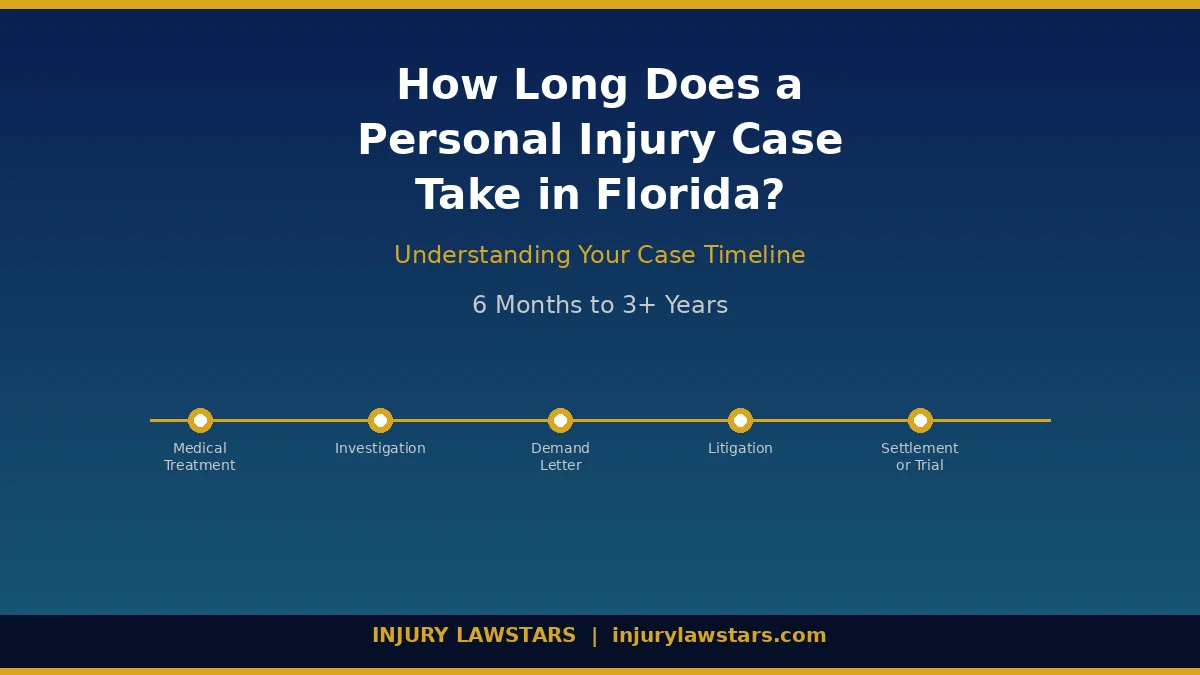
While no attorney can give you an exact timeline, an experienced lawyer should be able to provide a general range based on the facts of your case, the type of injuries involved, and the likelihood of settlement versus trial.
How Do Contingency Fees Work in Florida Personal Injury Cases?
Understanding how your attorney gets paid removes one of the biggest barriers to hiring legal help after an accident. Contingency fees are the standard payment model in personal injury law, and they were designed to give injured people access to quality representation regardless of their financial situation.
Here is how it works:
- No upfront costs: You do not pay anything to hire the lawyer or start your case.
- The fee is a percentage of your recovery: If the case settles, the attorney typically receives 33% of the settlement. If the case goes to trial, the percentage usually increases to around 40%.
- If you do not win, you do not pay: The attorney absorbs the risk. If there is no recovery, you owe no attorney fees.
- Costs and expenses: Litigation costs like filing fees, expert witness fees, and medical record costs are typically advanced by the firm and deducted from the settlement. Make sure you understand how these are handled in your specific agreement.
This model ensures that the best legal representation is available to everyone, not just those who can afford to pay hourly rates. It also means your lawyer has every incentive to maximize your compensation because their fee depends on it.
Why Does Local Florida Expertise Matter for Your Case?
Florida’s personal injury laws have undergone significant changes in recent years, and these changes directly affect how much compensation you can receive and how your case is handled.
HB 837 and Modified Comparative Negligence
In 2023, Florida passed HB 837, which fundamentally changed the state’s comparative negligence system. Under the old pure comparative negligence rule, you could recover damages even if you were 99% at fault, with your compensation reduced by your percentage of fault. Under the new modified comparative negligence rule, if you are found to be 51% or more at fault, you recover nothing.
This change makes it critical to have an attorney who understands how to present evidence that minimizes your assigned fault percentage. Insurance companies in Florida now aggressively argue that the injured person shares a majority of the blame specifically to trigger this 51% bar.
Florida’s PIP (No-Fault) Insurance System
Florida’s no-fault insurance system requires every driver to carry Personal Injury Protection (PIP) coverage, which pays up to $10,000 of your medical expenses and lost wages regardless of who caused the accident. However, PIP coverage has strict limitations and deadlines. You must seek medical treatment within 14 days of the accident to be eligible for the full benefit.
An experienced Florida personal injury lawyer will ensure you navigate PIP requirements correctly while also pursuing a full claim against the at-fault party for damages beyond what PIP covers.
The Two-Year Statute of Limitations
Under HB 837, Florida’s statute of limitations for most personal injury claims was reduced from four years to two years. This means you have just two years from the date of your accident to file a lawsuit. Miss this deadline and you lose your right to compensation entirely, no matter how strong your case is.
A knowledgeable local attorney will ensure your claim is filed well within the deadline and will move your case forward without unnecessary delays.
How Can You Verify a Florida Personal Injury Lawyer’s Credentials?
Before hiring any attorney, take the time to verify their credentials independently. Here is how to do it.
Check the Florida Bar
The Florida Bar maintains an online directory where you can search for any licensed attorney. You can verify that the lawyer is in good standing, check for any disciplinary history, and confirm their practice areas. Visit floridabar.org and use the “Find a Lawyer” tool.
Read Client Reviews on Multiple Platforms
Do not rely solely on testimonials posted on the firm’s own website. Check Google Reviews, Avvo, Martindale-Hubbell, and the Better Business Bureau for a more complete picture. Look for patterns in reviews. Consistent praise for communication, results, and professionalism is a strong indicator. Consistent complaints about being ignored, getting passed off to staff, or feeling pressured to settle quickly are warning signs.
Look for Peer Recognition
Awards and recognitions from organizations like Super Lawyers, Best Lawyers in America, and the National Trial Lawyers Top 100 can indicate a lawyer who is respected by their peers. While these should not be the sole deciding factor, they add credibility when combined with strong client reviews and a proven track record.
Review Case Results
Many reputable firms publish their notable settlements and verdicts. While past results do not guarantee future outcomes, they demonstrate the lawyer’s ability to handle complex cases and secure substantial recoveries. Look for results in cases similar to yours.
Does the Size of the Law Firm Matter?
This is one of the most common questions people ask when choosing a personal injury lawyer, and the honest answer is: it depends on what you value most.
Large, High-Volume Firms
Big personal injury firms often have extensive advertising budgets, which is why you see their names on billboards and television commercials. These firms can handle a high volume of cases and often have the resources for expensive litigation. However, the trade-off is that you may feel like a number rather than a person. You might rarely speak with an actual attorney, and your case may be handled primarily by paralegals or case managers.
Some high-volume firms are also known as “settlement mills” because they push clients to accept quick settlements rather than fighting for full value. If you have a relatively straightforward case with clear liability and modest damages, a larger firm may resolve it efficiently. But if your case is complex or involves significant damages, the impersonal approach can cost you.
Small and Mid-Size Firms With Personal Attention
Smaller firms often provide a more personalized experience. You are more likely to work directly with your attorney, receive regular updates, and feel like your case genuinely matters to the people handling it. These firms can still have the resources and expertise to handle complex cases, especially if they specialize in personal injury law.
The key is finding a firm that combines personal attention with real legal skill and experience. You want a lawyer who knows your name, understands your situation, and fights for you as an individual, not just a case number.
Why Attorney Katie Miller and Injury LawStars Stand Out
Attorney Katie Miller did not choose personal injury law from a textbook. She lived it. On January 19, 2016, Katie was driving home from court when she was violently rear-ended by a Ford F-150 traveling roughly 50 mph, crushing her Honda Civic between the truck and a citrus semi ahead of her. The injuries required invasive back surgery to stabilize her spine with hardware, and she was out of work for 13 months.
As a 39-year-old attorney with an 18-month-old baby, Katie experienced firsthand the fear, frustration, and financial devastation that come with a serious injury. She dealt with insurance companies that made a difficult situation even worse. That experience changed the trajectory of her career.
Katie switched her practice to personal injury and spent seven years at one of the largest personal injury firms in Central Florida, where she consistently ranked in the top 10 producers and recovered over $45 million for her clients. She then founded Injury LawStars with a clear mission: to provide the personal, compassionate, and aggressive representation that she wished she had when she was the one who was injured.
At Injury LawStars, every client works directly with an experienced attorney. There are no hand-offs to case managers, no assembly-line treatment, and no pressure to accept a lowball settlement. Katie and her team handle cases across Florida, including car accidents, truck accidents, motorcycle accidents, pedestrian accidents, medical malpractice, premises liability, wrongful death, and more.
Her tagline says it all: “I was you. Now I represent you.”
Steps to Take Right Now to Find the Right Lawyer
If you have been injured and need legal representation, here is a step-by-step approach to finding the right personal injury lawyer.
- Write down what happened. Document the details of your accident, your injuries, your medical treatment, and any expenses while they are fresh in your mind.
- Research local personal injury lawyers. Focus on attorneys who specialize in personal injury law and practice in your area of Florida. Check their websites, read reviews, and look for experience with your type of case.
- Verify credentials. Use the Florida Bar’s online directory to confirm the lawyer is licensed and in good standing. Check for any disciplinary history.
- Schedule free consultations. Meet with two or three lawyers before making a decision. Most offer free consultations, so there is no cost to you.
- Ask the right questions. Use the questions listed earlier in this article to evaluate each attorney’s experience, communication style, fee structure, and approach to your case.
- Trust your instincts. Beyond credentials and track records, choose a lawyer you feel comfortable with. You will be sharing personal and sensitive information with this person. Trust and rapport matter.
- Act quickly. Remember, Florida’s two-year statute of limitations means the clock is ticking. Evidence can also deteriorate over time, witnesses forget details, and surveillance footage gets deleted. The sooner you hire a lawyer, the stronger your case will be.
Frequently Asked Questions About Choosing a Personal Injury Lawyer
How much does it cost to hire a personal injury lawyer in Florida?
Most personal injury lawyers in Florida work on a contingency fee basis, which means you pay nothing upfront and no attorney fees unless you win your case. The typical contingency fee is 33% of the settlement if the case resolves before trial and up to 40% if the case goes to trial. Make sure to ask about additional costs and expenses during your free consultation.
What is the difference between a personal injury lawyer and a general practice attorney?
A personal injury lawyer focuses specifically on representing people who have been injured due to someone else’s negligence. They have specialized knowledge of insurance law, negligence principles, damage calculations, and trial strategy specific to injury cases. A general practice attorney handles many different types of legal matters and may not have the depth of experience needed for a complex injury claim.
How long do I have to file a personal injury claim in Florida?
Under Florida’s current statute of limitations (modified by HB 837), you generally have two years from the date of your accident to file a personal injury lawsuit. For medical malpractice cases, the deadline may differ. Missing this deadline means losing your right to compensation, so it is critical to consult with an attorney as soon as possible after your injury.
Can I switch lawyers if I am unhappy with my current attorney?
Yes, you have the right to change lawyers at any point during your case. If your current attorney is not communicating with you, not returning calls, or if you feel your case is not being handled properly, you can hire a new attorney. The new firm will typically work with the old firm to resolve any fee-splitting issues so the transition is smooth for you. Learn more about what your personal injury case may be worth.
Should I hire the lawyer with the biggest advertising budget?
Not necessarily. A large advertising budget does not mean better legal representation. Some of the most effective personal injury attorneys in Florida are smaller firms that invest in their cases rather than their billboards. Focus on experience, track record, communication, and personal fit rather than name recognition alone.
What if the insurance company already offered me a settlement?
Do not accept any settlement offer from an insurance company before consulting with a personal injury attorney. Initial settlement offers are almost always significantly lower than what your case is actually worth. Insurance companies make early offers hoping you will accept before you understand the full extent of your injuries and damages. An experienced attorney can evaluate the offer and negotiate for a fair amount that accounts for all of your current and future losses.
Do I need a lawyer if my injuries seem minor?
Even seemingly minor injuries can turn into significant medical issues over time. What feels like a minor neck or back strain after a car accident can develop into chronic pain requiring ongoing treatment. A personal injury lawyer can help ensure that you are fully evaluated and that your claim accounts for potential future medical needs, not just your immediate expenses.
Do not wait to get the legal help you deserve. Call Injury LawStars today at (407) 887-4690 for a free consultation. Attorney Katie Miller and her team are ready to fight for you. No fees unless we win.