June 18, 2026
Florida Personal Injury Liens: Protect Your Settlement

A sudden hospital bill for thirty thousand dollars can stall your recovery and drain your bank account. These debts create legal claims that often take a big cut out of your final settlement check.
Contact Injury LawStars about your Florida personal injury claim before accepting a settlement that may be reduced by liens.
This guide explains how medical, insurance, Medicare, Medicaid, and workers’ compensation liens affect recovery. It also provides a practical checklist for protecting settlement proceeds.
Florida personal injury liens are enforceable claims against settlement proceeds for accident-related care or benefits. Medical providers, private insurers, Medicare, Medicaid, and workers’ compensation carriers may seek repayment. Identifying, auditing, and negotiating valid liens before distribution can protect more of an injured person’s net recovery.
Learning how these claims work helps you ask better questions before settlement funds are distributed. For more context on the underlying bills, read whether you have to pay medical bills out of your settlement. The path to a better payout starts with identifying every valid claimant and challenging unsupported charges.
What are Florida personal injury liens?
After an accident, medical bills can accumulate quickly. A medical lien is a legal claim against future settlement proceeds, while an insurer’s subrogation claim seeks reimbursement for benefits it paid. Understanding which Florida personal injury liens are valid is essential to estimating the amount you may keep after your case ends.
How a lien differs from a regular bill
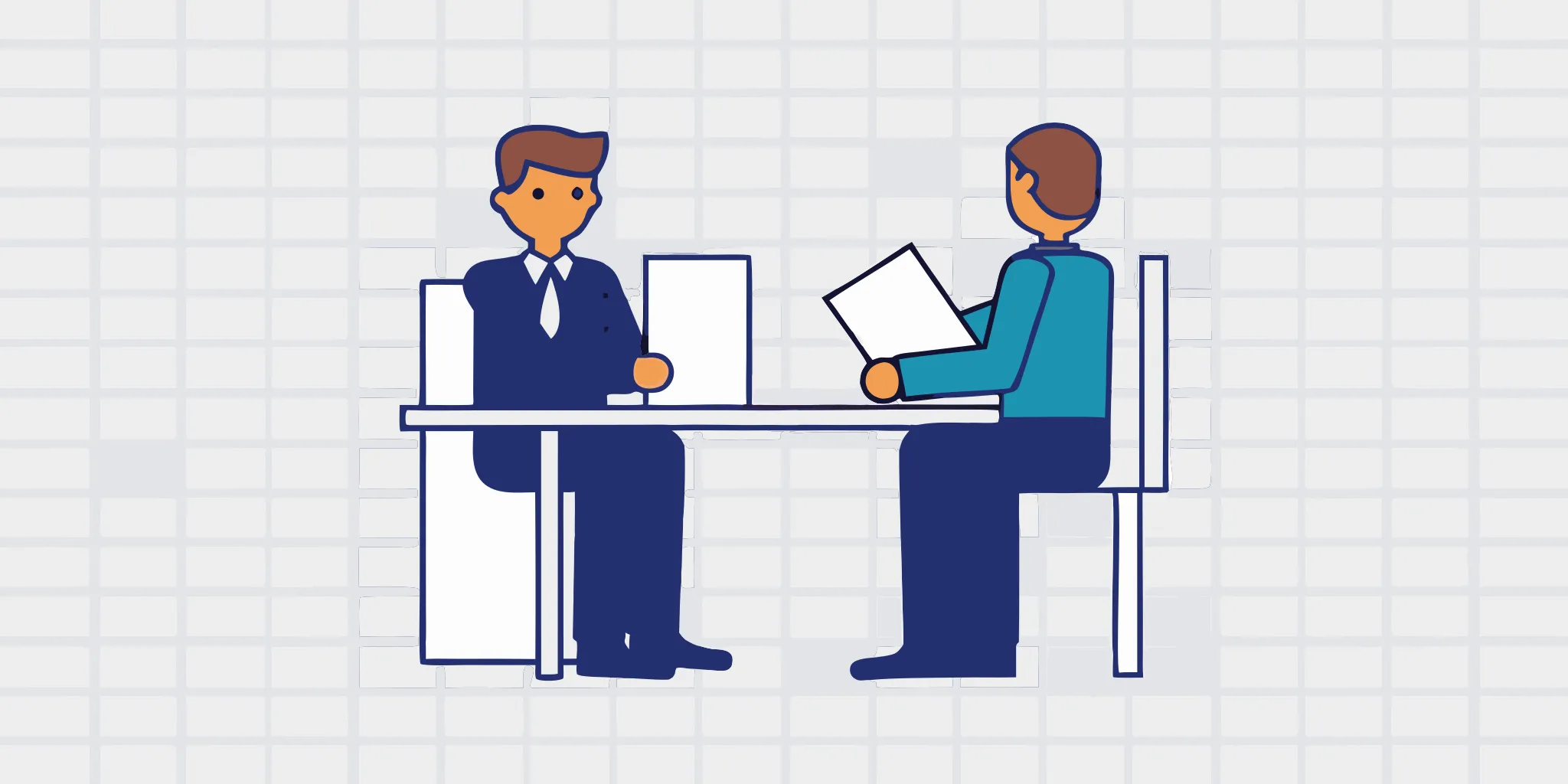
A medical bill is a simple request for pay from a doctor or hospital. You might get these in the mail after a visit. A lien is not the same because it is a firm legal right. It gives the group a stake in your legal claim. While a bill asks you to pay, a lien needs your lawyer to pay the group right from your settlement funds before you get your check.
Most doctors use liens when they know you have a case in court. They agree to wait for pay until your case ends. In return, you or your lawyer signs a paper that protects their right to get paid. This helps you get the care you need now without paying out of pocket during a hard time.
Why liens affect your settlement payout
You cannot safely take your settlement money until all valid liens are paid. Florida law and U.S. rules often state that some groups must get paid first. For example, Florida Medicaid acts as a last payer. This means it only pays for care after other responsible payers, such as an auto insurer, have met their obligations. If your lawyer does not pay these liens the right way, you could face legal trouble or lose your health plan later.
Liens can greatly lower the amount of money you take home. This is why you need a legal team that knows how to find and check every claim. Many liens have errors or costs that are too high. An attorney can audit the claimed charges and negotiate with lienholders to seek a lower payoff amount.
Common groups that place liens in Florida
Several types of claimants may assert a lien against settlement proceeds. The most common are hospitals and doctors who treated you right after the crash. If you used government help, programs like Medicare or Medicaid will also seek pay. Private health insurance firms often have rules in their plans that let them put a lien on your case as well.
- Hospitals and trauma centers.
- Physicians and other healthcare providers.
- Medicare and Medicaid programs.
- Private health insurance plans.
Each of these groups has different rules for how they must be paid. Some liens are set by state law, while others are part of your insurance deal. Handling these many claims is a big part of the settlement lien negotiations that happen before your case closes.
Types of liens that can affect a Florida settlement
A settlement’s gross amount is not the same as the client’s net recovery. Medical providers, government programs, private health insurers, and workers’ compensation carriers may assert repayment rights. Each claim must be identified and evaluated before funds are safely distributed.
Medical and hospital liens
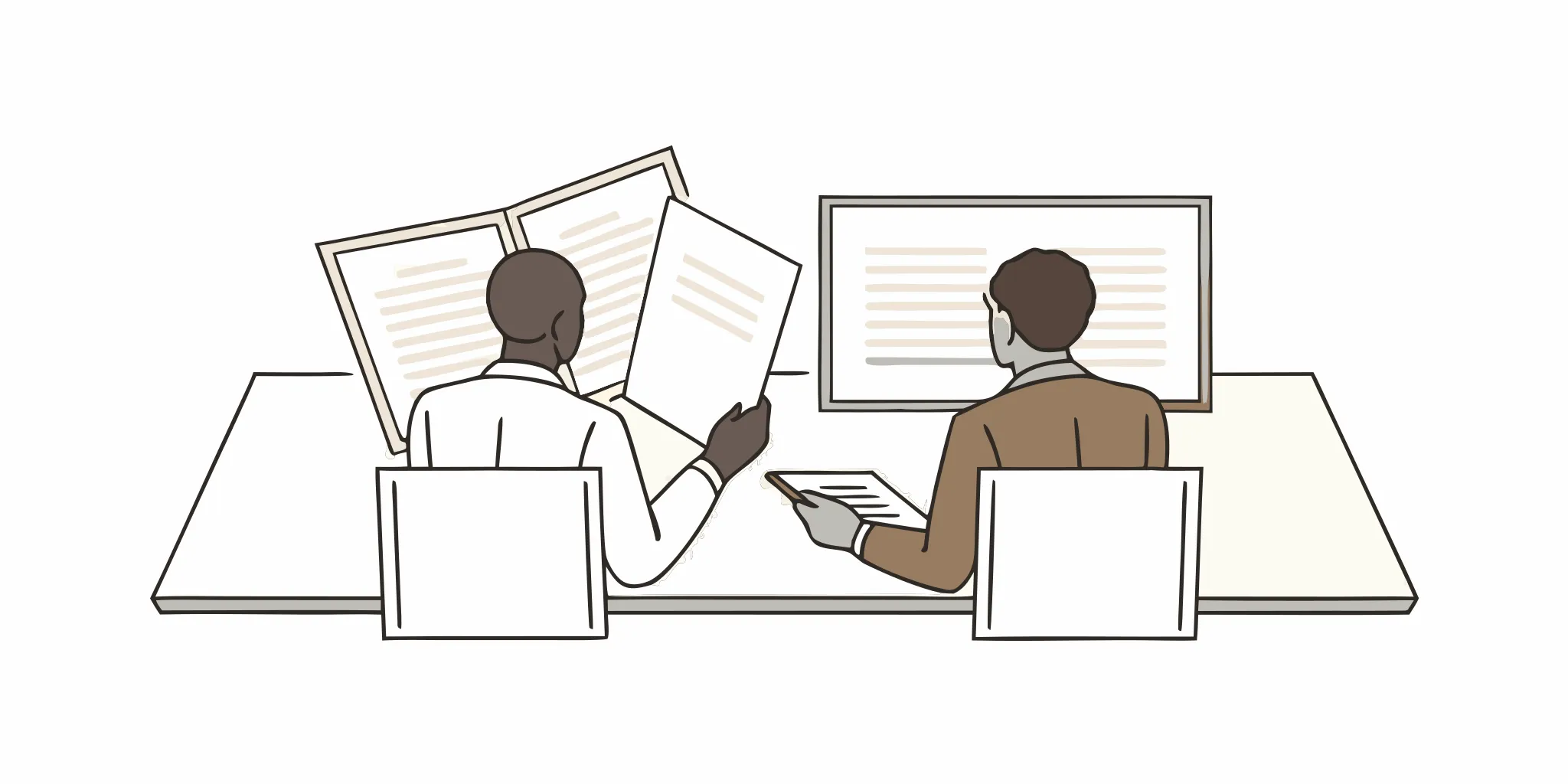
Hospital and doctor liens are the most common type. If you get care after a crash but cannot pay, the hospital may treat you on a lien basis. This means they wait for your case to end to get paid. A hospital has a right to recoup costs of treatment from your settlement funds if another person caused your harm. A healthcare provider may file a lien if they believe they will get more money from your case than from your health plan.
You should not just pay the full bill without a check. Some bills have errors or high rates. This is why you must check if the hospital can legally file the lien in your county. Some Florida counties have specific laws that govern how and when a hospital can claim these funds.
It is often possible to verify if a lien is valid. You can also look for billing mistakes. In many cases, a law firm can negotiate the total payoff amount. This help lets you keep more of your money for your needs after a crash.
Government health program claims
If the government paid for your care, they will want that money back. Medicare and Medicaid have strict rules about this. These are often called “super liens” because they are very hard to ignore. Federal law and secondary payer rules dictate when Medicare must be paid back by other insurance sources. Dealing with these agencies takes time because they have many steps to follow.
Florida Medicaid is a bit different. It acts as the payer of last resort. This means it only pays after other groups have met their share of the cost. However, state and federal laws limit what the Agency for Health Care Administration (AHCA) can take. They can only claim money that was recovered for past medical expenses. This limit helps protect the rest of your settlement for your other needs like future care or pain and suffering.
Private insurance and workers’ comp
Private health plans often have “subrogation” rights. This means if they pay your bills, they can step into your shoes to get paid back. Your health plan might ask for every cent back, but certain laws may help you. For example, some rules can stop a plan from taking money if your settlement does not fully cover your losses. Finding these rules takes time and skill, but it can save you thousands of dollars.
If you were hurt on the job, workers’ comp may also file a lien. They want to get back the money they spent on your medical care and lost wages. Every lien is different and has its own set of rules.
Some have strong legal rights, while others are easier to reduce. You must check each one case by case to see what is fair. A lawyer can help you find which liens are valid and which ones you can lower. This work helps you get the best net result after your accident.
| Lien Type | Who Files It | Reduction Rights |
|---|---|---|
| Hospital Lien | Medical Centers | High; based on billing errors and local laws. |
| Medicare | Federal Government | Moderate; follow strict formula for case costs. |
| Medicaid (AHCA) | State Agency | Limited; only applies to past medical costs. |
| Private Health | Insurance Plans | Varies; depends on the specific plan terms. |
| Workers’ Comp | Employer Carrier | Varies; based on total recovery and fault. |
Ask Injury LawStars to review potential liens before you agree to a final settlement distribution.
How do liens affect your settlement proceeds?
Liens reduce the net recovery an injured person receives. The gross settlement is reduced by attorney fees, case costs, and valid lien payoffs before the remaining funds are distributed. Negotiating or disputing a lien can therefore increase the amount the client ultimately keeps.
When you win a case, the total dollar amount you see is the gross settlement. This is not the same as the net check you take home. These legal claims are called liens. Under Florida law, these liens must be paid before you can get your final funds. Handling Florida personal injury liens is a key part of closing your legal case.
Why medical providers use liens
Doctors and hospitals often treat victims who cannot pay right away. To protect their rights, medical providers can place a lien on your case. This acts as a promise that you will pay them back with your settlement. It allows you to get care even if you do not have cash on hand. But these liens also reduce the total you keep. Since providers are paid first, the math for your payout changes once the lien is in place.
These claims often come from hospitals after a crash. They ensure the hospital gets paid for the work they did to save your life. While this helps you get care, it also means your final check will be smaller. Your legal team must track every bill to make sure the lien amount is right. This helps you avoid paying for errors or extra charges that could drain your funds. Monitoring these costs is vital for your recovery.
Government liens from Medicare and Medicaid
If the government paid for your care, they have strong rights to get that money back. Medicare uses Secondary Payer rules to make sure they do not pay for bills that an insurance firm should cover. This means Medicare wants to be paid back from your settlement. Dealing with the federal government can be slow, so your lawyer must start this work early to avoid delays.
Medicaid in Florida works in a similar way. It acts as the payer of last resort for people who need help with costs. If someone else is at fault for your injury, Medicaid expects to be paid back. However, federal law limits how much they can take. They can only recover funds meant for past medical costs, not your entire settlement. This limit is key because it protects your money for pain and suffering.
How your lawyer helps with lien math
The last stage of your case involves doing the math to see how much money you will keep. Your lawyer will look at the gross settlement and subtract fees, costs, and any liens. It is a big job that requires careful checks. One key task for a lawyer is to negotiate the payoff amount for these liens. Many firms will agree to take less if it means they get paid fast and without more legal fights.
Lowering the lien amount puts more money in your pocket. Your team will check every bill for errors and verify that each charge relates to your accident. They also make sure no one is asking for more than the law allows. This work ensures that your money is used to help you move forward, not just to pay off old bills. By handling these claims with care, you can protect your funds.
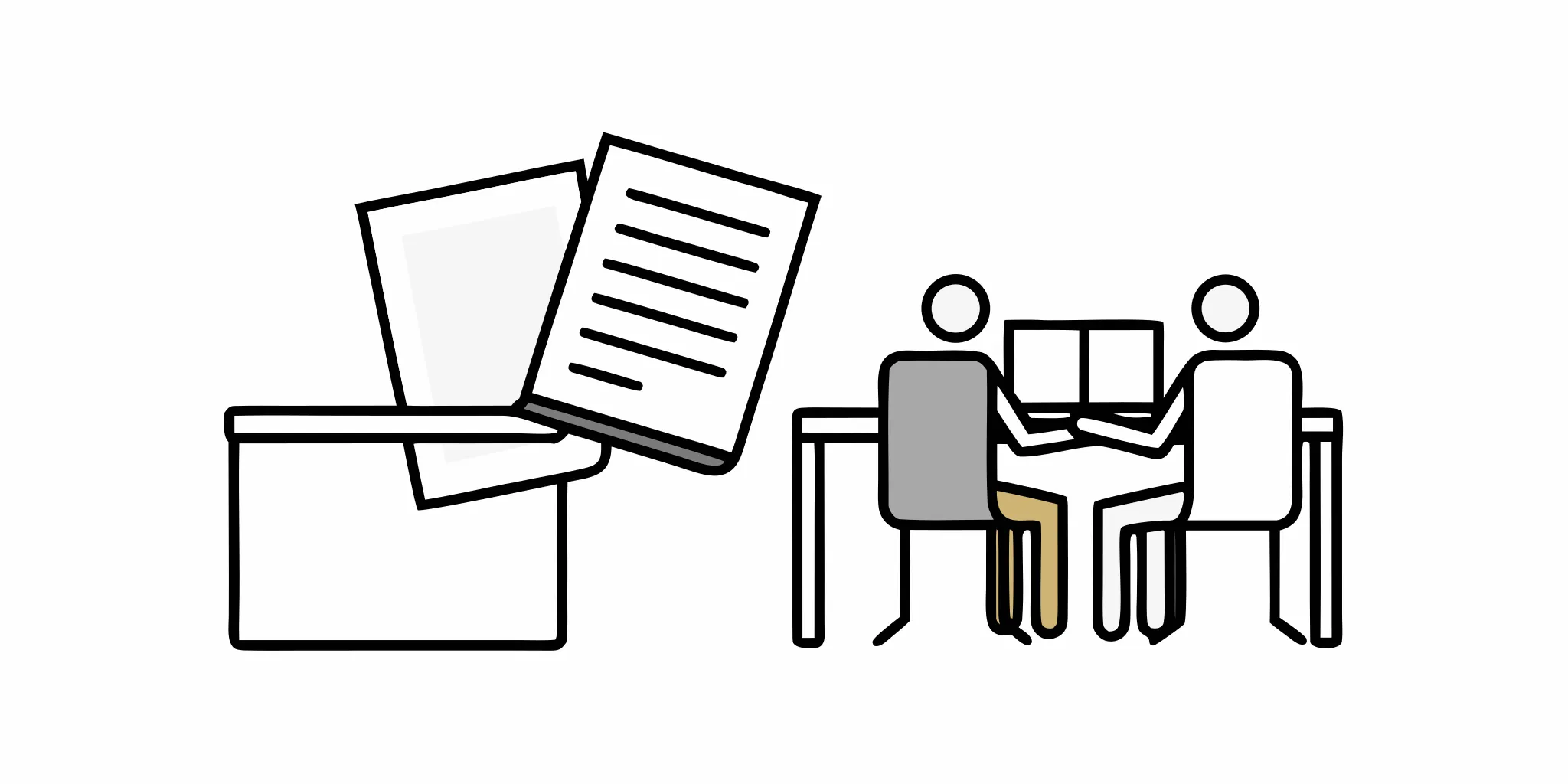
Lien-resolution checklist before settlement distribution
Why a lien plan matters
Before you get your money, you must deal with your debts. These debts are called Florida personal injury liens. They are legal claims that give doctors or insurance firms a right to your cash. If you do not handle them well, they can take most of your award. You may end up with very little to show for your pain.
Dealing with these claims is a vital part of the Florida personal injury settlement process. You should not just pay the first bill you get. Many medical bills have errors or costs that are way too high. A clear plan helps you find these mistakes so you can keep more of your check. You want to make sure your payout helps you and your family first.
Steps to clear your medical debt
Managing your debt takes a clear path from start to finish. You must find every bill and check it for truth. Use this list to clear your way to a final payout. Each step helps you protect the money you won for your loss.
- Find every lien holder. Make a list of all who paid for your care. This includes your health plan, car insurance, and the doctors you saw. Groups like Medicare have a legal right to get paid back first from any win.
- Request full bills. Ask for a list of every charge from each clinic. You need to see each line to know what they did. Do not just look at the total, as it might hide high costs or errors.
- Audit for mistakes. Look for charges for care you did not get. Check for double billing where a test shows up twice on the same day. Some codes may be wrong or for old health issues you had before the crash.
- Check for care not linked to the crash. Liens should only cover care for your crash injuries. If a bill shows a check-up for a cold or old back pain, you can fight it. You only owe for what relates to your legal claim.
- Start lien talks. Use the law to ask for a lower bill. Florida Medicaid rules from the Agency for Health Care Administration may limit what they can take. You can often cut bills by a large amount if you ask in the right way.
- Get a final payoff letter. Once you agree on a price, get it in writing. This note proves the debt is done. It must state the exact amount needed to close the lien for good.
Audit your bills for errors
Many medical bills are not correct. They may have the wrong codes or charges for things that did not happen. You should look at every page with care. If you find a mistake, tell the provider right away. This can save you thousands of dollars in the end. It is your right to ask for a clear and true bill.
Checking these details is how you protect your injury settlement proceeds. If you do not speak up, the provider will take more than they should. A small error on a bill can lead to a big loss in your pocket. You must be the one to check the work of the billing office. They often make mistakes that cost you money.
How to win your lien talks
The goal of settlement lien talks is to leave you with enough to move on. If your bills are too high, they eat up funds for your lost wages. You must be firm with those who hold the liens. They may start with a high price, but they often take less to close the case.
Federal rules also play a big role here. The Medicare Secondary Payer rules say how and when you must pay back the government. Knowing these rules gives you the power to fight for a fair deal. Keeping good records of every call and note will help you win. You want to make sure your settlement works for you, not just for the doctors.
How an attorney can protect your net recovery
Winning a case is only half the battle. After you get a settlement offer, you must deal with groups that want to get paid back. These claims are known as Florida personal injury liens. An attorney works to lower these costs so you can keep more of your funds. They use some legal paths to protect your final payout.
Auditing medical bills for errors
Hospitals and clinics often make mistakes when they send out bills. They might charge you for a test you did not take. They could also list the same charge two or more times. Your legal team will look at every line of your medical records. This audit helps find billing errors that would or else cost you money.
Fixing these errors is a vital way to protect your injury settlement proceeds. Most people find medical codes too hard to read. A law firm has the staff to check these codes against the care you actually got. If they find a mistake, they force the provider to fix it before any money changes hands.
Lawyers also check if the charges match the fair market value for the area. If a hospital charges way too much, your lawyer can challenge that price. This step ensures that your settlement pays for real costs, not inflated numbers. It is one of the most direct ways to increase the cash you take home.
Negotiating lower lien amounts
The first number a lienholder sends is rarely the final price. Attorneys are experts in settlement lien talks. They talk to health plans and doctors to ask for a discount. Many providers will lower their bill if it means getting a check sooner.
There are also legal limits on how much some groups can take. For instance, federal law limits Medicaid liens to the part of the settlement meant for medical care. This means they cannot take money that was meant for your pain and suffering. A lawyer knows these rules and uses them to fight for your rights.
Your lawyer will also look for charges that have nothing to do with your accident. Sometimes a bill for a cold or a different injury gets mixed in with your case. Removing these unrelated costs helps shrink the total amount you owe. This careful review keeps your net recovery as high as possible.
Working with government programs
Dealing with Medicare or Medicaid is often the hardest part of a case. These groups have massive power to take money from your settlement. They also have strict timelines for when you must tell them about your case. An attorney manages this contact so you do not miss a deadline.
Failing to handle these liens the right way can lead to big problems. You might lose your health coverage or face heavy fines in the future. Your lawyer ensures that all government rules are met. They wait for the final payoff letter to make sure the case is fully closed.
A good law firm takes care of all these steps for you. At Injury LawStars, this help is part of the work they do for every client. You do not have to pay anything upfront for this service. Because the firm works on a no-win, no-fee model, they only get paid if they win money for you.
Mistakes that can put settlement funds at risk
Mistakes during the lien process can lead to a smaller check for you. When you settle a case, you must pay back any party that has a legal claim to the money. If you miss a step, you could face legal issues or lose your health coverage later.
Ignoring formal lien notices
One serious error is ignoring formal notices from medical providers or health plans. In Florida, laws allow doctors and hospitals to place a claim on your payout. If you get a notice, do not set it aside or hope it goes away.
If you ignore these claims, you might wait longer to get your money. A provider could even sue to get paid after your case ends. It is best to find every lienholder as soon as you can. This helps you protect your injury settlement proceeds and avoid shocks at the end of the case.
Assuming a bill is the final total
Many people think the first bill they see is the final amount they owe. This is not often true with Florida personal injury liens. Bills often have errors or charges for care you did not get.
You can audit these bills to find mistakes. You might find two charges for one service or rates that are too high. You should also check if your own health plan already paid the bill. Paying a lien based on a raw bill without a check can cost you a lot of money.
Paying for unrelated medical care
Lienholders can only take money for care linked to your injury. You should never pay for care for an old health issue out of your payout. For example, Medicare rules are very strict about what they can take back. As the Medicare Secondary Payer guide shows, these claims only apply to care caused by the event.
If you pay for unrelated care, you are giving away your own money. Always look at the dates and details on each bill. Make sure every charge is for the injury from your case. Keeping good records of your care from the start is the best way to prove these costs.
Avoiding procedural errors
Moving too fast can also put your funds at risk. You should wait for a final demand letter from the government before you pay out the money. A “conditional” letter is just a guess and can change at any time.
You must also report your case to Medicare if you use their plan. Failing to tell them about your payout can lead to big fines. Once you pay a lien, keep the final payoff record in a safe place. This proof ensures you are clear of that debt forever.
Frequently Asked Questions
How do medical liens impact car accident settlements in Florida?
Medical liens can lower the total amount of money you keep after a case. These legal claims must be paid from your funds before you get a check. As stated by Injury LawStars, these claims can greatly reduce your cash. A lawyer can help by checking these bills for errors and finding high costs. This work helps you keep more of your money for your own needs.
What types of liens can attach to a personal injury recovery in Florida?
Many groups can place a legal claim on the money from your case. This list includes doctors, hospitals, and your health plans. State programs like Medicare and Medicaid can also seek pay for care they gave you. As noted by CMS, Medicare rules say when their pay comes first or second. All these claims must be handled before you get your final check.
Can I negotiate a lower payoff for a Florida hospital lien?
Yes, you can often lower the amount you owe to a hospital. A lawyer can check your bills to find errors or high costs. This process helps you lower the total pay before you end your case. As stated by Injury LawStars, checking if a claim is right is a key step in saving your money. You should never pay the first bill you get without a review.
How do federal laws affect Florida Medicaid liens on injury settlements?
Federal law sets strict rules for how Medicaid can take money from your case. The state can only take funds paid for your past health bills. They cannot take money meant for your pain or lost work. As noted by the Florida Agency for Health Care Administration, these rules limit what the state can take. This law helps you keep more of your cash for your future needs.
Schedule a free consultation with Injury LawStars to discuss lien issues before settlement funds are distributed.
Protect your settlement from Florida personal injury liens
Medical and insurance liens can take a huge bite out of your settlement if you do not handle them right. Waiting too long to start your claim often makes these debts much harder to fight, so act now. Acting today gives you the best chance to keep the funds you need for your home and your health. Our team works hard to guard your cash and make sure your payout goes to you and not to old bills. Getting help early will help you get the full value of your case while avoiding the stress of debt collectors.
Ready to schedule a free consultation? Contact Injury LawStars online to learn how we can help protect your settlement proceeds.
About the Author
Katie Miller, Esq.
Managing Partner · Injury LawStars
Attorney Katie Miller was once an injury victim herself. After a car accident in 2016 that required spinal surgery and a 13-month recovery, she turned her experience into a mission: fighting for people who are hurting. With 17+ years of legal experience and over \$45 million recovered for clients, Katie brings both professional expertise and personal understanding to every case.