June 12, 2026
What to Do After a Car Accident in Florida

A Florida crash can turn an ordinary drive into a fight for your health and financial security. The choices you make in the next few minutes can shape what happens next.
Schedule your free consultation with Injury LawStars.
What to do after a car accident in Florida starts with protecting people. Stay at the scene, check for injuries, call 911, and move safely. Exchange insurance and contact details. Photograph vehicles and road conditions, collect witness information, and avoid admitting fault or discussing blame.
Seek medical care promptly, even if pain seems minor. Florida PIP benefits generally require initial care within 14 days. Florida law also requires drivers to contact local law enforcement after crashes involving injury, death, or at least $500 in estimated property damage. Then notify your insurer, preserve every record, avoid social media posts, and consider legal advice before giving the other insurer a statement.
You may still be shaken, sore, or unsure which details matter most. What to do after a car accident in Florida: immediate steps explains how to secure the scene and protect the people involved. The path begins with acting calmly and safely.
What to do after a car accident in Florida: immediate steps
After a crash, take a breath and focus on immediate safety before thinking about insurance or fault. The first minutes can feel chaotic, but a clear order of actions can help protect everyone at the scene.
First priorities at the scene
Use these steps when deciding what to do after a car accident in Florida. If an emergency responder gives different directions, follow those directions.
-
Stop and stay at the scene. Pull over as close to the crash as safety allows. Turn on your hazard lights so nearby drivers can see you.
-
Check for injuries. Check yourself and your passengers for pain, bleeding, or signs that someone cannot safely move. Ask whether people in the other vehicle need emergency help.
-
Call 911. Report the crash and request police or medical help when needed. Give the dispatcher your location, visible injuries, and any active road hazards.
-
Move only when it is safe. Move an operable vehicle out of traffic if you can do so safely. If moving yourself may worsen an injury, wait for trained help.
-
Cooperate without admitting fault. Follow reasonable instructions from police and emergency crews. Answer basic questions with facts, but do not guess about the cause or accept blame.
Florida crash reporting rules
Florida requires immediate contact with local law enforcement when a crash involves injury, death, or at least $500 in estimated property damage. The Florida Department of Highway Safety and Motor Vehicles also allows a driver self-report for certain minor crashes when police are not contacted at the scene.
Damage can be hard to judge beside a busy road. Tell the 911 dispatcher what happened and let officials guide the response. A police response can also create a record with the time, location, vehicles, and people involved.
Calm, factual cooperation
Be polite and brief when speaking with the other driver. Share the required identifying and insurance details, but avoid arguing, apologizing, or making claims about who caused the crash. Stress can affect memory, and the full facts may not yet be clear.
Once the urgent safety issues are under control, begin preserving useful details from the scene. Injury LawStars provides more guidance on the Florida car accident guidance, including later claim concerns under Florida law.
Document the crash and exchange information
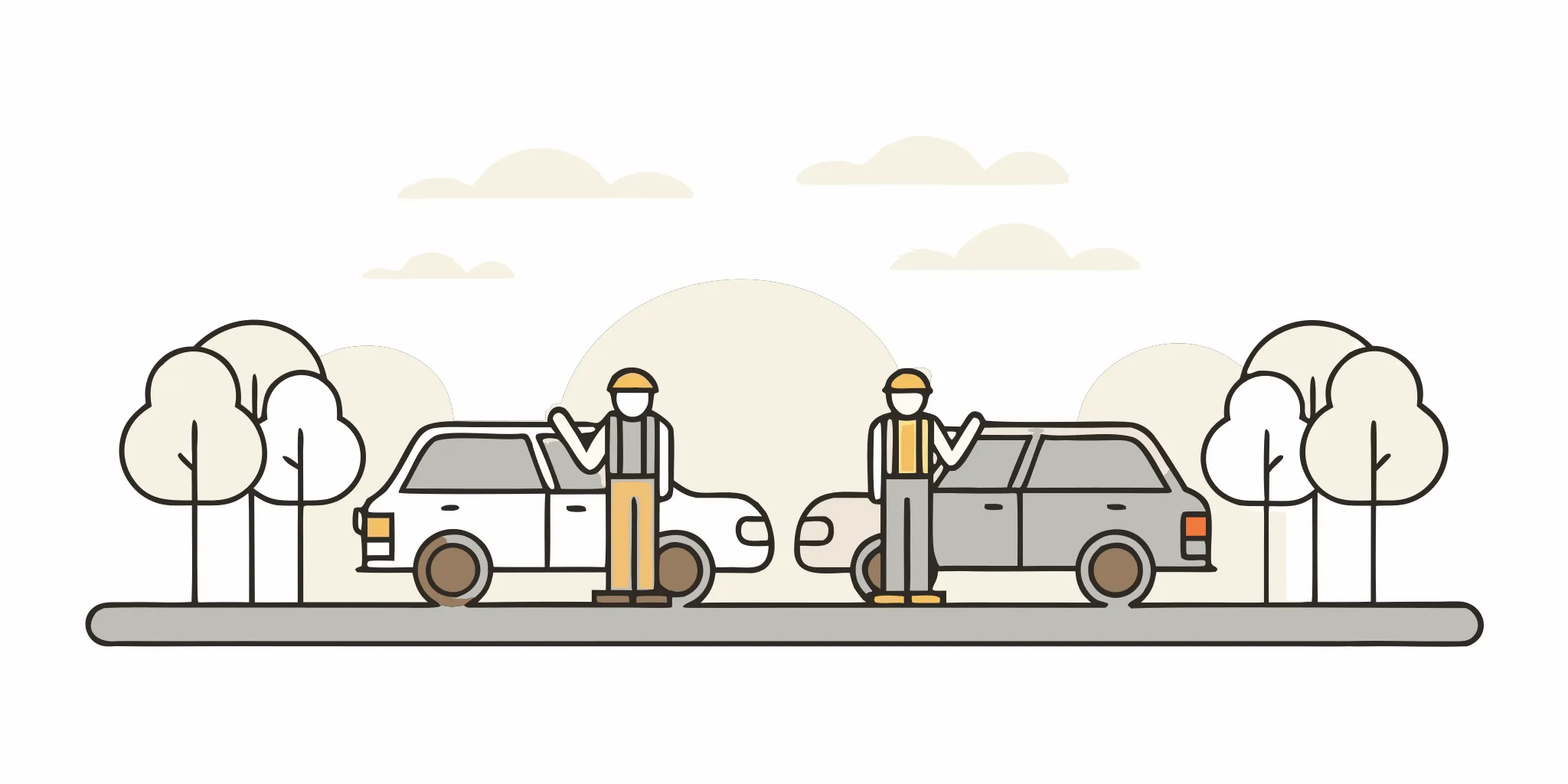
A clear record can preserve details that may fade after a stressful crash. Only take photos and gather information when you can do so safely. If pain, traffic, or another danger stops you, wait for first responders. The goal is to record what happened without putting anyone at further risk.
Photos that show the full scene
Start with wide photos that show every vehicle, its resting position, lane markings, traffic lights, signs, and nearby landmarks. Then take closer photos of damage to each vehicle from several angles. Photograph skid marks, debris, weather, road hazards, and any blocked view. If it is safe, record a short video while slowly scanning the scene.
Photograph visible injuries, but do not delay medical care to do it. Ask passengers to document what they can if you cannot move safely. Keep each original photo or video with its date and time data. Do not edit, crop, or add filters to the original files.
Driver and witness details
Exchange names, phone numbers, driver’s license details, license plate numbers, vehicle descriptions, and insurance information. The Florida Department of Highway Safety and Motor Vehicles says drivers must provide insurance information when another driver or law enforcement requests it. Photograph the insurance card and license if the other driver agrees.
Stay calm and avoid debating fault at the roadside. Ask each witness for a name, phone number, email address, and a brief account of what they saw. Note where each witness stood and which way they faced. Do not coach witnesses or fill gaps in their account.
Records to save after leaving
Create one folder for every crash record. Save photos, videos, witness notes, towing receipts, repair estimates, medical papers, and insurance messages. Write a short timeline while events remain fresh. Include the crash time, direction of travel, weather, traffic, and what happened before impact.
Get the responding officer’s name, agency, badge number, and report number. Florida’s crash reporting records are managed by the state highway safety department. Keep copies of everything you submit, and note when and how you sent it.
This organized record can make later conversations with an insurer or lawyer easier to follow. For more context on evidence and Florida claims, review these protecting your claim after a crash. Avoid posting crash photos, injury updates, or comments about fault on social media.
Why should you get medical care promptly?
A crash can leave you shaken, sore, or unsure about what happened. Your health comes first, so seek care from a qualified medical provider as soon as you can. Call 911 for urgent help if you believe anyone may be seriously hurt.
Symptoms that may appear later
Feeling fine at the scene does not always mean you escaped injury. Some pain or other symptoms may not become clear until after the shock wears off. A prompt medical exam gives a provider the chance to assess you and explain the next steps.
Do not try to diagnose an injury on your own or wait for pain to become severe. Tell the provider when the crash happened and describe every symptom you notice. Follow the provider’s instructions, attend follow-up visits, and report any new or changing symptoms.
If possible, ask someone you trust to help with transportation and paperwork. Bring your identification, insurance details, and any information emergency responders gave you. Clear details can help the provider understand the event without relying on guesses.
Florida’s 14-day PIP rule
Timing also matters for Florida Personal Injury Protection benefits. Under Florida’s PIP statute, initial medical services and care must occur within 14 days after the crash. Missing that window may affect whether PIP pays covered medical costs.
The 14-day rule is a deadline, not a reason to delay care. Go as soon as possible, even if you are still sorting out insurance details. When planning Florida accident claim steps, place medical care near the top of the list.
Medical records to keep
Each visit creates a record of your condition, the care you received, and the provider’s findings. Those records can help connect your treatment timeline to the crash. Ask how to get copies, then store them with your other accident documents.
- Discharge papers and visit summaries
- Test results, referrals, and treatment plans
- Prescriptions and medication receipts
- Medical bills and insurance statements
- Dates of follow-up visits and missed work
Keep a simple daily note about symptoms and how they affect routine tasks. Be accurate and avoid guessing. Organized records can make later talks with insurers or legal counsel clearer, especially when treatment lasts for weeks or months.
How to handle the Florida insurance claim
Notify your insurer with clear facts
Contact your own insurer soon after the crash, even if another driver seems responsible. Provide your name, policy number, crash date, time, location, involved vehicles, and police report details. Describe only what you directly saw or felt. Do not guess about speed, fault, or the full extent of your injuries.
An adjuster may ask for a broad recorded statement soon after you report the crash. Before agreeing, ask who will receive it, how it will be used, and whether your policy requires it. You can report the event and cooperate without filling gaps in your memory. Get advice before discussing the crash with the other driver’s insurer.
Claim records and settlement offers
Keep one claim file from the start. Save claim numbers, adjuster names, emails, letters, repair estimates, rental receipts, medical bills, and appointment notes. Add a short log after each phone call. This record helps you track requests, deadlines, and amounts the insurer has paid or denied.
| Claim issue | PIP claim | At-fault claim |
|---|---|---|
| Who receives it | Your own auto insurer | The responsible driver’s insurer |
| Main focus | Covered medical costs and related benefits | Losses tied to the other driver’s fault |
| Key support | Medical records, bills, and work notes | Crash proof, damage records, and loss records |
| Early caution | Meet medical care rules | Avoid unsupported fault statements |
Florida’s PIP law ties benefits to initial medical care received within 14 days of the crash. Review the PIP care requirement and keep proof of when treatment began. Report each new bill or record to the proper claim file.
PIP and at-fault claims
PIP and an at-fault claim serve different roles. PIP begins with your own policy, while an at-fault claim depends on proof against another driver. Florida’s financial responsibility law requires an at-fault owner or driver to have liability coverage after an injury crash. The Florida insurance guidance explains this duty.
Do not rush to accept a settlement while treatment, repairs, or missed work remain unclear. A release may end the claim before the full effect of the crash is known. Compare the offer with your records and learn what shapes an average car accident settlement in Florida. Ask questions about any unpaid bill or excluded loss before signing.
Florida laws that may affect your claim
Florida law can shape what to do after a car accident in Florida. Some rules call for quick action, while others affect how a claim develops. The points below offer general legal information, not advice about any one case.
Crash reporting duties
A driver must contact local law enforcement when a crash causes injury, death, or at least $500 in estimated property damage. The Florida Department of Highway Safety and Motor Vehicles explains this reporting rule. If police respond, ask how to obtain the crash report and save the officer’s details.
A report creates a formal record, but it may not capture every useful detail. Preserve your own photos, video, witness contact details, insurance information, and notes about what happened. Keep the original files when possible, since dates and other file data may help show when they were made.
The PIP medical-care deadline
Florida’s Personal Injury Protection law links PIP medical benefits to a short care window. Under the Florida PIP statute, initial services and care must occur within 14 days after the crash. Delaying care may affect access to those benefits, even if pain appears later.
Tell each medical provider that your condition followed a crash. Save appointment notes, bills, test results, prescriptions, and work restrictions in one place. These records can connect your reported symptoms, care, costs, and limits over time.
Fault questions and other time limits
Fault can become disputed when drivers, witnesses, or insurers give different accounts. Clear records help show what occurred without relying only on memory. Avoid guessing about fault at the scene, and keep copies of every message sent to an insurer.
Other legal deadlines may also affect a claim, but the right deadline depends on the facts and claim type. Do not assume an insurance conversation pauses any legal time limit. Injury LawStars explains the broader personal injury case timeline in Florida, including factors that may slow a case.
A lawyer can review the current law, available evidence, insurance terms, and possible deadlines for a specific crash. Seek case-specific advice promptly if injuries are serious, fault is disputed, or an insurer requests a recorded statement.
When should you contact a car accident attorney?
Legal help may be useful when a crash causes a serious injury or keeps you from working. It may also help when fault is disputed or several drivers share blame. In these cases, the claim can involve medical records, lost income, repair costs, and different insurance policies.
Consider speaking with an attorney early if an insurer denies your claim or offers less than your documented losses. Legal advice may also help if an insurer pressures you to settle. A quick settlement may not account for care you will need later. Knowing legal help after a Florida collision can help you avoid rushed choices.
Signs that legal help may be useful
Some claims are harder to handle without legal guidance. You may want an attorney to review the facts when any of these issues arise:
- You suffered a serious injury, lasting pain, or a long recovery.
- The other driver or insurer disputes who caused the crash.
- Several vehicles, employers, property owners, or other parties may share fault.
- The at-fault driver has no insurance or too little coverage.
- An insurer denied the claim or made an offer that seems too low.
- An adjuster asks for a recorded statement or pushes for a fast settlement.
Coverage limits can matter when injuries are severe. The Florida Department of Highway Safety and Motor Vehicles lists minimum bodily injury liability limits. Those limits may be low compared with major losses. An attorney can review all available policies and look for other possible sources of coverage.
What an attorney can do
A car accident attorney can gather crash reports, medical records, witness statements, photos, and insurance documents. The attorney can also track deadlines, assess the value of documented losses, and communicate with insurers. This support may be helpful while you focus on medical care and recovery.
An attorney may question a denial, respond to blame claims, or negotiate against an undervalued offer. If a fair agreement is not reached, the attorney can explain whether filing a lawsuit makes sense. Legal guidance can protect your choices, but it cannot promise a specific result or settlement amount.
Timing and the first consultation
Contacting an attorney sooner can make it easier to preserve records and review insurer requests before you respond. Bring the crash report, policy details, medical records, bills, photos, and messages from adjusters. Also share any settlement offer or form you have been asked to sign.
Medical care should not wait while you seek legal advice. Florida’s PIP law ties covered benefits to initial care received within 14 days of the crash.
The rule appears in the Florida Statutes. Keep records of each visit, treatment plan, bill, and work restriction for the claim review.
Mistakes to avoid after a Florida car accident
Leaving or failing to report the crash
Leaving before help arrives can create safety and legal problems. Stay at the scene, move to a safe place when possible, and call 911. Florida law requires immediate police contact after crashes involving injury, death, or at least $500 in property damage. Review the state’s crash reporting guidance if you are unsure about the next step.
Do not assume a minor-looking crash needs no record. Ask for the officer’s name, badge number, and report details. If police cannot respond to a minor crash, Florida also offers an online self-report option. A clear report helps preserve basic facts while memories are fresh.
Skipping care or losing evidence
Waiting for pain to worsen is a common mistake. Get checked promptly, follow the care plan, and save each medical bill and appointment record. Under Florida’s PIP law, initial care must begin within 14 days to qualify for covered benefits. The Florida PIP statute sets out this time limit.
Evidence can disappear within hours or days. Keep original photos, videos, witness details, repair estimates, and insurance messages together. Back up digital files, and write brief notes about pain, missed work, and daily limits. Do not repair or dispose of damaged property before documenting it fully.
- Photograph every vehicle, visible injury, road condition, sign, and traffic signal.
- Save witness names, phone numbers, and a copy of the crash report.
- Keep medical records, receipts, claim letters, and missed-work records in one folder.
Speaking, posting, or signing too soon
An apology may sound polite, but avoid admitting fault or guessing about what happened. Share required facts with police and insurers, then stop. Do not post crash details, injury updates, photos, or activities on social media. Even an unrelated post may be read without its full context.
Also avoid signing a release before you understand its terms and the full scope of your injuries. Ask what rights the document ends and whether it covers future care. Learning the right car accident support from Injury LawStars can help you spot deadlines and protect your records.
- Give accurate facts, but do not guess, argue, or accept blame.
- Keep accident and recovery details off social media.
- Read every release carefully and ask questions before signing.
- Track claim notices and response dates so no deadline passes unnoticed.
Talk with Injury LawStars about your Florida car accident claim.
Frequently Asked Questions
Do I have to report a car accident in Florida?
Florida law requires immediate contact with local law enforcement when a crash causes injury, death, or at least $500 in estimated property damage. The Florida Department of Highway Safety and Motor Vehicles also allows drivers to submit a self-report for certain minor crashes when police do not respond. Calling police creates a formal record and helps document the scene.
How long do I have to seek medical attention after a Florida car accident?
Seek medical care as soon as possible, even if symptoms seem minor or appear later. To qualify for Florida Personal Injury Protection benefits, initial medical services must occur within 14 days of the crash under Florida law. Keep copies of diagnoses, bills, treatment plans, and follow-up records for your insurance claim.
What information should I exchange with the other driver?
Exchange full names, phone numbers, addresses, driver’s license details, insurance company names, policy information, license plate numbers, and vehicle descriptions. Verify the information by photographing documents when possible. Avoid discussing fault or making accusations. Also record the responding officer’s name and report number, then collect contact details from any witnesses who saw the crash.
Can I post about my car accident on social media?
Avoid posting photos, videos, comments, location updates, or details about your injuries after a Florida car accident. An insurer may review public content and argue that it conflicts with your claim. Ask friends and family not to tag you or discuss the crash. Preserve existing posts, but speak with a lawyer before changing or deleting content related to the accident.
Why should I contact a lawyer after a car accident in Florida?
A Florida car accident lawyer can review insurance coverage, preserve evidence, explain deadlines, and handle communications with insurers. Legal help may be especially useful when injuries are serious, fault is disputed, or an insurer requests a recorded statement. A lawyer can also assess whether available PIP and liability coverage may apply. Learn more from Injury LawStars’ car accident practice area.
Ready to Protect Your Next Steps After a Crash?
Waiting after a Florida car accident can allow important details to fade and make insurance questions harder to resolve later. Starting now gives you time to organize records, understand your options, and avoid rushed decisions as the claim moves forward. Early guidance can also help you focus on recovery while taking practical steps to protect your interests.
If you are unsure where to begin, a focused conversation can clarify which records matter and what questions to ask. A prompt request can reduce uncertainty and help you decide how to proceed with greater confidence. Ready to take the next step? Contact Injury LawStars for help finding the right Florida car accident attorney and planning what to do next.
About the Author
Katie Miller, Esq.
Managing Partner · Injury LawStars
Attorney Katie Miller was once an injury victim herself. After a car accident in 2016 that required spinal surgery and a 13-month recovery, she turned her experience into a mission: fighting for people who are hurting. With 17+ years of legal experience and over \$45 million recovered for clients, Katie brings both professional expertise and personal understanding to every case.