March 30, 2026
How a Slip and Fall Lawyer Can Help Your Case

It’s easy to feel clumsy or embarrassed after a fall, but the truth is, most of these accidents are preventable. Property owners in Florida have a legal duty to keep their spaces reasonably safe. When they fail to clean up a spill, repair a broken step, or provide adequate lighting, they create a dangerous situation. Your injury isn’t just bad luck; it’s often the result of someone else’s negligence. A skilled slip and fall lawyer can investigate the circumstances of your accident in Delray Beach and fight to hold the responsible party accountable.
Key Takeaways
- Act quickly to protect your health and your claim: After a fall, seek immediate medical attention and take photos of the hazard. Contacting an attorney right away helps preserve evidence and ensures you meet Florida’s strict legal deadlines.
- You can afford expert legal help: Personal injury lawyers handle the investigation and insurance negotiations for you. They work on a contingency fee basis, which means you pay no attorney fees unless they win your case.
- A strong case is built on solid evidence: To receive compensation, you must prove the property owner was negligent. This requires clear evidence, such as photos of the scene, official medical records, and witness statements.
What Can a Delray Beach Slip and Fall Lawyer Do for You?
After a slip and fall, you’re likely dealing with injuries, medical bills, and a lot of stress. Trying to handle a legal claim on top of that can feel impossible. This is where a personal injury lawyer steps in. They take the legal burdens off your shoulders so you can focus on your recovery. An experienced attorney acts as your advocate, guide, and partner, handling the complex details of your case from start to finish. They work to protect your rights and fight for the compensation you need to move forward.
Evaluating Your Case and Explaining Your Rights
The first thing a slip and fall lawyer will do is sit down with you to understand what happened. They’ll listen to your story, review any initial evidence you have, and give you a straightforward assessment of your case. This initial consultation helps you understand your legal rights and whether the property owner could be held responsible. Your attorney will clarify who is at fault and explain the process for seeking compensation for your losses. This step is all about giving you clarity and a clear path forward for your personal injury claim.
Investigating the Scene to Build Your Case
Proving that a property owner’s negligence caused your fall can be difficult. A skilled lawyer knows exactly what to look for. They will launch a thorough investigation into the accident, gathering crucial evidence to build a strong case. This includes collecting photos of the hazard, obtaining incident reports, speaking with witnesses, and reviewing any available surveillance footage. Proving fault is the foundation of all premises liability cases, and your attorney will handle this detailed work so you don’t have to. They piece together the evidence to demonstrate how the property owner was at fault.
Negotiating with Insurers So You Don’t Have To
Dealing with insurance companies can be intimidating. Their goal is often to pay out as little as possible, and they have teams of adjusters and lawyers working to protect their bottom line. Your attorney will handle all communications and negotiations with the insurance company for you. They know the tactics adjusters use and will fight for a fair settlement that covers your medical bills, lost wages, and pain and suffering. By having our team of attorneys manage these discussions, you can avoid the stress and pressure while we work to get you the best possible outcome.
Fighting for You in Court
While many slip and fall cases are settled out of court, sometimes the insurance company refuses to offer a fair amount. If that happens, you need an attorney who is prepared to take your case to trial. Having a lawyer with courtroom experience sends a strong message that you are serious about your claim. They will handle every aspect of the litigation process, from filing the lawsuit to arguing your case before a judge and jury. Their goal is to present the strongest case possible for securing a favorable judgment on your behalf.
Understanding the Risks: Slip and Fall Statistics
It’s easy to dismiss a fall as a simple accident, but the numbers show just how common and serious these incidents are. Understanding the statistics can help you see that you’re not alone and that these events often point to a larger issue of safety and negligence. The data highlights why property owners in communities from Ocala to The Villages have a critical responsibility to maintain safe environments. When they fail, the consequences can be severe, affecting countless people every year.
How Common Are Serious Falls?
You might be surprised to learn how frequently falls lead to significant harm. According to the CDC, one out of every five falls results in a serious injury, such as broken bones or a head injury. In fact, falls are responsible for more than eight million emergency room visits annually across the country. This isn’t just a minor issue; a sudden fall can lead to lasting medical problems, including traumatic brain injuries that require extensive care. These numbers show that what seems like a simple slip can have life-altering consequences, underscoring the importance of holding negligent property owners accountable.
Where Do Most Falls Occur?
When people think of falls, they often picture a dramatic tumble down a flight of stairs. However, the reality is that most falls happen in places we walk every day. Statistics show that a staggering 65% of slip and fall injuries occur on flat, level surfaces. This could be a freshly mopped floor without a warning sign in a Eustis supermarket, a cracked sidewalk in downtown Mount Dora, or an uneven patch of pavement in a poorly lit parking lot. These everyday hazards are often overlooked, but they pose a significant risk. It proves that these incidents are rarely due to clumsiness and are frequently the result of a property owner failing to maintain a safe environment.
How to Choose the Right Slip and Fall Lawyer in Delray Beach
After a slip and fall, finding the right lawyer can feel like another mountain to climb. But this is one of the most important decisions you’ll make for your case. You need an advocate who not only understands the law but also understands what you’re going through. The right attorney will be your partner, guiding you through the legal process with clarity and confidence. Think of this as building your support team. You want someone with the right skills, a solid reputation, and a communication style that puts you at ease. Let’s walk through a few key things to look for to make sure you find the best fit for you and your case.
Look for Proven Premises Liability Experience
Not all personal injury lawyers are the same. Slip and fall cases fall under a specific area of law called premises liability, which deals with injuries caused by unsafe conditions on someone else’s property. You want a lawyer who lives and breathes these types of cases. When you meet with a potential attorney, don’t be shy about asking about their experience. Ask them to share examples of settlements and judgments they’ve secured for clients in situations similar to yours. A lawyer with a proven track record in premises liability will know exactly what evidence to gather, what arguments to make, and how to build the strongest possible case for you.
What Are Past Clients Saying?
A lawyer’s reputation is built on results and relationships. Before you commit, do a little homework. Look for client testimonials on their website and read reviews on independent sites. What are past clients saying about their experience? Pay attention to comments about communication, professionalism, and the outcome of their cases. You can also check for professional recognitions or awards, which often indicate that an attorney is respected by their peers in the legal community. Choosing a firm with a strong, positive reputation gives you confidence that you’re placing your trust in capable hands. The right team will have a history of fighting for their clients.
Make Sure They Communicate Clearly
Legal matters can be complicated, so you need an attorney who can explain things in a way that makes sense. From your very first conversation, notice how they communicate. Do they listen to your story? Do they answer your questions directly and patiently? You will be working closely with this person, so it’s important that you feel comfortable and heard. A great lawyer will keep you informed about your case’s progress without you having to constantly ask for updates. This partnership is built on trust, and clear, consistent communication is the foundation of that trust. You deserve an advocate who is both an expert in the law and skilled at connecting with people.
Ask About Their Free Consultation
Most reputable personal injury lawyers provide a free initial consultation, and you should absolutely take advantage of it. This meeting is a no-pressure opportunity for you to share the details of your accident and for the attorney to give you an honest assessment of your case. It’s also your chance to interview them. Come prepared with questions about their experience, their fees, and their strategy for your case. This conversation will help you decide if the lawyer is the right fit for your personality and your legal needs. At Injury LawStars, we believe everyone deserves to understand their legal options, which is why we are always available to discuss your case.
What Are the First Steps After a Slip and Fall?
The moments after a slip and fall can be disorienting and painful. It’s easy to feel overwhelmed, but the actions you take right away can make a significant difference for both your health and any potential legal claim. While every situation is unique, focusing on a few key steps can help protect your well-being and your rights. Think of it as a simple checklist to follow when you’re feeling flustered. By prioritizing your health, gathering information, and getting the right support, you can set yourself up for the best possible outcome.
1. Get Medical Attention First
Your health is the absolute priority. Even if you think your injuries are minor, it’s essential to see a doctor as soon as possible. Some serious conditions, like a concussion or internal injuries, may not show symptoms right away. Getting a prompt medical evaluation ensures you receive the care you need. This visit also creates an official record of your injuries, which is a critical piece of evidence that connects them directly to the fall. Don’t wait for the pain to worsen; go to an urgent care center, an emergency room, or your family doctor to get checked out.
2. Document the Scene Immediately
If you are physically able, take a moment to document the scene of the accident. Use your phone to take plenty of photos and videos of the exact spot where you fell. Capture the hazard that caused your fall, whether it was a wet floor, a cracked sidewalk, poor lighting, or an unmarked step. Take wide shots of the area to show the context and close-ups of the specific problem. It’s also a good idea to photograph any visible injuries. Property owners often fix hazards quickly, so capturing this evidence before it’s gone is crucial for building a strong premises liability case.
3. Report the Accident and Find Witnesses
Make sure you officially report the incident to the property owner, manager, or landlord before you leave. A verbal notification is good, but a written one is better. Ask them to create an official incident report and request a copy for your records. If anyone saw you fall or came to help you, ask for their name and contact information. Eyewitness accounts can be incredibly valuable in supporting your claim. Don’t feel awkward about asking; most people are happy to help, and their perspective can provide an unbiased account of what happened.
4. Preserve Important Evidence
Beyond the photos you take at the scene, other forms of evidence are just as important for building your case. Start a dedicated folder and keep everything related to your fall. This includes all medical records, bills from the hospital or your doctor, receipts for prescriptions, and any written communication you’ve had with the property owner or their insurance company. These documents create a paper trail that proves the financial impact of your injuries. It might seem like a lot to keep track of, but this paperwork is the foundation of a strong personal injury claim and helps your attorney accurately calculate the compensation you deserve.
Save the Clothes and Shoes You Were Wearing
This might sound strange, but the clothes and shoes you were wearing during the fall are a critical piece of evidence. Place them in a secure bag and do not wash or wear them again. A substance on the sole of your shoe could prove what caused you to slip, or a tear in your clothing could show that you caught it on a broken handrail or piece of flooring. This physical evidence can directly link the property’s hazard to your fall, making it much harder for the owner to deny responsibility. Preserving these items can provide tangible proof that supports your version of events.
5. Keep a Daily Journal of Your Recovery
Your recovery journey is a key part of your story, and a daily journal is the best way to tell it. Insurance companies often try to minimize the impact an injury has on your life, but your own words can be powerful. Each day, take a few minutes to write down how you’re feeling, both physically and emotionally. Note your pain levels, any challenges you face with daily tasks, and any social events or family activities you have to miss. This log provides a detailed account of your pain and suffering, which is a significant part of your claim. For injuries where symptoms can change over time, like a traumatic brain injury, this journal becomes an invaluable tool.
4. Call a Lawyer to Protect Your Claim
After a fall, you might feel pressured by insurance adjusters or property owners. Contacting a personal injury lawyer as soon as possible helps you understand your rights and options. An experienced attorney can handle communications with the insurance company, investigate the accident, and make sure you don’t accept a settlement that is less than you deserve. You don’t have to face this process alone. Getting professional guidance allows you to focus on your recovery while a legal expert works to secure fair compensation for your medical bills, lost income, and pain. The team at Injury LawStars is here to help you through it.
How Much Does a Slip and Fall Lawyer Cost?
After an injury, the last thing you should be worried about is how you’ll afford legal help. Many people hesitate to call a lawyer because they’re concerned about the cost, but most personal injury firms, including ours, work on a contingency fee basis. This approach is designed to give you access to expert legal support without any upfront financial risk. It means you don’t need to have money saved up to hire a great attorney to fight for you.
Whether you were injured in Ocala, Clermont, or The Villages, you can get professional guidance without paying out of pocket. The system ensures that your ability to pay doesn’t stand in the way of justice. It levels the playing field, allowing you to take on property owners and their insurance companies with a dedicated legal advocate on your side. At Injury LawStars, we believe everyone deserves a strong advocate, and our payment structure reflects that commitment. It’s a core part of how we support our clients through some of the most difficult times in their lives. Let’s break down what this means for you and your case, so you can move forward with confidence.
What Is a Contingency Fee?
A contingency fee model is simple: we only get paid if we win your case. You won’t pay any attorney fees upfront or out of your own pocket. Instead, our fee is a percentage of the final settlement or court award we secure for you. This means our goals are directly aligned with yours. We are motivated to get you the best possible outcome because our success is tied to your success. This arrangement allows you to focus on your recovery while we handle the legal complexities of your premises liability claim. It’s a risk-free way to ensure your rights are protected by a professional who is fully invested in your case.
Are There Other Costs to Consider?
Beyond attorney fees, every legal case comes with certain costs. These can include court filing fees, the cost of obtaining medical records, fees for expert witnesses, or expenses for depositions. At Injury LawStars, we typically advance these costs on your behalf so your case can move forward without you having to pay for anything along the way. These expenses are then reimbursed from the settlement funds at the end of your case, after our attorney fees are calculated. During your initial consultation, we will be transparent about these potential costs and explain exactly how they are handled, so you have a clear picture of the process from the very beginning.
What Happens if You Don’t Win Your Case?
This is a common and completely valid question. Under our contingency fee agreement, if we don’t win your case, you owe us absolutely nothing in attorney fees. That’s our promise to you. The way case expenses are handled in this situation can vary, but we will discuss this with you openly during our first meeting. Our goal is to remove the financial burden and uncertainty from the legal process. You can learn more about our commitment to our clients and our approach to representation. The most important thing is that you feel confident and supported, knowing you have a dedicated team fighting for you without any financial risk.
Common Challenges in a Slip and Fall Case
While it may seem clear that the property owner is responsible for your injury, winning a slip and fall case can be surprisingly complex. Insurance companies have a lot of experience defending these claims, and they use specific legal strategies to minimize or deny what they have to pay. Understanding these common hurdles is the first step in building a strong case. From proving the owner was truly negligent to fighting back against claims that you were at fault, each step presents its own set of challenges. This is why having a knowledgeable legal team on your side is so important—they can anticipate these obstacles and prepare a strategy to overcome them.
Why These Cases Can Be Difficult to Win
Slip and fall cases are often hard to win because the burden of proof is on you, the injured person. It’s not enough to show that you fell and got hurt on someone’s property. You must provide strong evidence that the property owner was negligent. This means proving they either knew about a dangerous condition and did nothing to fix it, or that they should have known about it through reasonable care. For example, if a grocery store employee in Leesburg spills something and doesn’t clean it up for hours, that’s negligence. But if a customer drops a jar of liquid and you slip seconds later, it can be much harder to prove the store was at fault.
Common Defenses Property Owners Use
When you file a claim, don’t expect the property owner or their insurance company to simply accept responsibility. They have a playbook of common defenses designed to shift the blame and avoid paying fair compensation. They will scrutinize every detail of the accident to find a way to argue that they are not liable for your injuries. Most of these defenses revolve around two key ideas: either the danger was so obvious that you should have avoided it, or your own actions contributed to the fall. Knowing these tactics ahead of time helps you and your attorney prepare a strong response.
The “Obvious Danger” Argument
One of the most common defenses is the “obvious danger” argument. The property owner’s insurance company will try to claim that the hazard that caused your fall was so open and obvious that any reasonably careful person would have seen and avoided it. They might argue that a puddle of water was large and visible or that a broken piece of pavement in a Wildwood parking lot was easy to spot. Their goal is to shift the blame entirely onto you by suggesting you weren’t paying attention. This tactic attempts to excuse the property owner’s duty to maintain a safe environment by placing an unfair burden on the visitor.
Blaming the Victim (Comparative Negligence)
Another frequent strategy is to blame you for the accident. In Florida, this is based on a legal rule called “comparative negligence.” The defense will argue that you were partially at fault for your own injuries—perhaps you were looking at your phone, wearing inappropriate footwear, or in an area where you weren’t supposed to be. If they can convince a jury that you were 30% responsible for the fall, any compensation you receive will be reduced by that same percentage. Insurance companies use this to drastically lower settlement offers, making it crucial to have an attorney who can effectively fight these claims in your premises liability case.
Your Legal Duty to “Mitigate Damages”
After an injury, you have a legal responsibility to take reasonable steps to minimize your losses, a concept known as “mitigating damages.” This means you must actively participate in your own recovery. For instance, you need to follow your doctor’s treatment plan, attend physical therapy sessions, and avoid activities that could worsen your injuries. If you ignore medical advice, the insurance company can argue that your condition is worse than it should be because of your own inaction. They could then claim they aren’t responsible for the full extent of your medical bills or pain and suffering, which could reduce the value of your claim.
Don’t Believe These Slip and Fall Myths
When you’re dealing with an injury from a slip and fall, it’s easy to get overwhelmed by conflicting information. Misconceptions can keep you from getting the help and compensation you deserve. Let’s clear up a few common myths so you can move forward with confidence.
Myth: “I can handle the insurance company on my own.”
It’s tempting to think you can manage an insurance claim on your own, especially if the company seems cooperative at first. But remember, insurance adjusters are trained to protect their company’s bottom line, which often means minimizing your payout. They handle these claims every day. An experienced lawyer understands their tactics and knows how to build a strong case for your premises liability claim. We can handle the negotiations and legal complexities for you, making sure your rights are protected. This allows you to focus on what truly matters: your recovery.
Myth: “A ‘Wet Floor’ sign clears the property owner.”
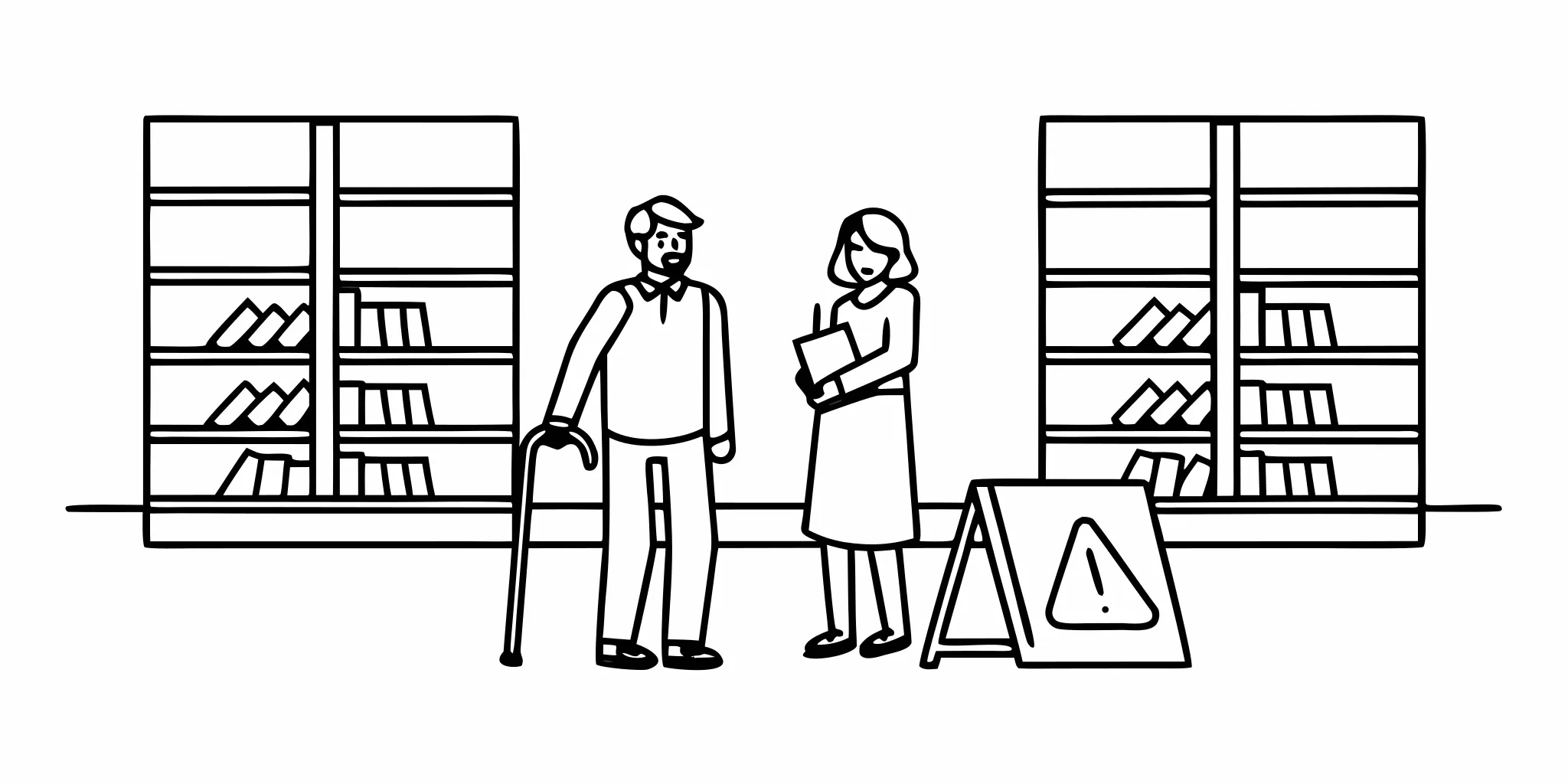
Seeing a “wet floor” sign doesn’t automatically mean the property owner is off the hook. While a sign can be a factor, it doesn’t erase the owner’s fundamental duty to keep their property reasonably safe. Was the sign placed in a visible location? Was the spill left unattended for an unreasonable amount of time? These details matter. Liability in slip and fall cases is rarely black and white. A lawyer can investigate the circumstances to determine if the property owner was truly negligent, regardless of whether a sign was present.
Myth: “Hiring a great lawyer is too expensive.”
This is one of the biggest myths that prevents people from seeking legal help. The truth is, most personal injury lawyers, including our team at Injury LawStars, work on a contingency fee basis. This means you don’t pay any attorney fees unless we win your case. The fee is a percentage of the compensation we recover for you, so there are no upfront costs or out-of-pocket expenses to get started. This model ensures that everyone has access to quality legal representation, no matter their financial situation. Don’t let worries about cost stop you from exploring your options.
Myth: “I should wait before calling an attorney.”
Waiting to contact a lawyer is almost never a good idea. Evidence can disappear, witnesses’ memories can fade, and there are strict legal deadlines for filing a personal injury claim in Florida. The sooner you get legal advice, the better your chances of building a strong case. Most personal injury firms offer a free, no-obligation consultation to discuss your situation. This initial meeting allows you to understand your rights and get a clear picture of what to expect. Acting quickly ensures that crucial evidence is preserved and your case gets started on the right foot.
What Are the Most Common Slip and Fall Cases?
“Slip and fall” is a simple term for a wide range of accidents that fall under an area of law called premises liability. These incidents aren’t just clumsy moments; they often happen because a property owner or manager failed to keep their space safe. Understanding the different types of cases can help you see if your situation qualifies for a claim. From spills in a grocery store in The Villages to a broken step at a friend’s house in Clermont, the circumstances vary, but the core issue is often the same: someone’s carelessness led to your injury.
Common Causes of Slips and Falls
A slip and fall can happen anywhere, but it’s rarely just an accident. These incidents are often caused by dangerous conditions that property owners should have addressed. Common hazards include wet or slippery floors from spills, recently mopped surfaces without warning signs, or tracked-in rain. Uneven walking surfaces are another major culprit, from cracked sidewalks in Mount Dora to loose tiles in a store in The Villages. Poor lighting in stairwells, broken handrails, or objects left in walkways can also easily lead to a fall. Whether it’s a messy area in a retail shop or a poorly maintained parking lot in Ocala, these preventable issues form the basis of a premises liability claim.
Typical Injuries Resulting from a Fall
The impact from a fall can cause far more than just scrapes and bruises. It’s common for victims to suffer serious injuries like broken bones, particularly in the hip, arm, or ankle. Deep cuts, sprains, and significant back and spine damage are also frequent outcomes. One of the most concerning injuries is a head injury; even a seemingly minor fall can result in a concussion or a more severe traumatic brain injury. These injuries often lead to extensive medical bills, time away from work, and significant pain and suffering. Pursuing a claim can help you recover compensation for these losses so you can focus on healing.
Accidents Caused by Property Hazards
Many slip and fall accidents are caused by hazards that could have been easily fixed. Think about things like torn carpeting in a hotel lobby, cracked sidewalks in a Mount Dora shopping district, or a poorly lit stairwell in an apartment building. Other common dangers include wet floors without warning signs, uneven steps, missing handrails, or even exposed electrical wires. Spills, debris, or recently mopped floors can create a slick surface that leads to a serious fall. In places like Lake County or Marion County, even outdoor hazards like potholes in a parking lot or uncleared debris after a storm can create a dangerous situation for which a property owner may be responsible.
Where Do Slip and Fall Accidents Happen?
A slip and fall can happen almost anywhere, from private homes to public spaces. You could be injured at a grocery store in Ocala, a restaurant in Leesburg, a public park, or an office building. The responsible party isn’t always the person who owns the building. In many cases, a property management company, a commercial tenant, or even a third-party maintenance contractor could be held liable for the accident. For example, if a cleaning company leaves a floor wet without proper signage, they could be at fault. Identifying the correct party to hold accountable is a critical step in building a successful claim, and it often requires a thorough investigation.
How Does Negligence Affect Your Claim?
To have a valid slip and fall claim, you generally need to prove that the property owner was negligent. This means showing that they knew, or reasonably should have known, about a dangerous condition on their property and did nothing to fix it. For instance, if a store owner in Wildwood knew about a leaky freezer for weeks but didn’t repair it, they could be held liable if someone slips in the resulting puddle. Proving negligence can be tricky, as the defense might argue you weren’t paying attention. This is why gathering evidence and working with a legal team that understands Florida’s complex personal injury laws is so important for your case.
When Is the Right Time to Call a Slip and Fall Lawyer?
After a slip and fall, you’re likely dealing with pain, medical appointments, and a lot of stress. The thought of adding a legal case to your plate can feel overwhelming, but timing is one of the most important factors in a successful claim. The moments and days following an accident are critical for gathering evidence and protecting your rights. Waiting too long can make it much harder to build a strong case and secure the compensation you need to recover.
The simple answer is that the right time to call a lawyer is as soon as you can after getting medical attention. An attorney can immediately start working to preserve evidence and handle communications with property owners and insurance companies, letting you focus on your health. Whether you’re in Ocala, The Villages, or Leesburg, understanding why acting quickly is so important can make all the difference. Let’s look at Florida’s legal deadlines and the clear signs that it’s time to make that call.
Don’t Miss Florida’s Strict Legal Deadlines
In Florida, the law sets a strict time limit for filing a personal injury lawsuit, known as the statute of limitations. For most slip and fall accidents, you have two years from the date of the incident to file your claim. While that might sound like a long time, it can pass surprisingly quickly when you’re focused on recovery.
If you miss this deadline, the court will almost certainly refuse to hear your case, and you will lose your right to seek compensation forever. This deadline is not flexible. Building a solid premises liability case involves a thorough investigation, evidence collection, and negotiation, all of which take time. That’s why it’s so important to contact a lawyer well before the deadline approaches.
Personal Injury vs. Property Damage Claims
When you fall, the harm isn’t always limited to your body. You might break your glasses, crack your phone screen, or damage a laptop you were carrying. It’s important to understand the difference between a personal injury claim and a property damage claim. A personal injury claim seeks compensation for the harm done to you—your medical bills, lost wages, and pain and suffering. This is typically the main focus of a slip and fall case. A property damage claim, on the other hand, covers the cost to repair or replace your damaged belongings. Both types of losses can be included in your demand for compensation, but the foundation for recovering either one is the same: you must prove the property owner’s negligence caused the accident. A skilled lawyer can help you document all your losses to ensure your personal injury claim seeks full and fair compensation.
Signs It’s Time to Get Legal Help
It can be hard to know if your situation warrants legal action. The clearest sign it’s time to call a lawyer is if you were injured because of a hazard on someone else’s property. This is true even if your injury seems minor at first, as some injuries can worsen over time.
Other signs you need legal help include accumulating medical bills, missing time from work, or feeling pressured by an insurance adjuster to accept a low settlement offer. If the property owner denies responsibility or tries to blame you for the accident, it’s a definite signal to seek professional advice. An experienced attorney can help you understand your rights and determine the best path forward for your specific situation.
Why Acting Fast Can Help Your Case
Contacting a lawyer soon after your fall offers several key advantages. First, it allows your legal team to preserve crucial evidence. Security camera footage is often deleted on a regular cycle, and physical evidence at the scene can be cleaned up or repaired. An attorney can take immediate steps to ensure this evidence is saved.
Second, witnesses are easier to find, and their memories are clearer shortly after an event. Acting fast also allows your lawyer to handle all communication with the property owner and their insurance company. This prevents you from accidentally saying something that could be used to weaken your claim. Getting an early start gives your attorney the time needed to build the strongest possible case across all practice areas.
What Compensation Could You Receive?
After a slip and fall, one of the first questions people ask is about compensation. It’s a practical concern, especially when medical bills are piling up and you can’t work. In a personal injury case, compensation, or “damages,” is the money awarded to you for the losses you suffered because of the accident. The goal is to help you recover financially from the harm caused by someone else’s negligence. This isn’t about a windfall; it’s about getting the resources you need to cover your expenses and account for the ways the injury has impacted your life. The total amount can vary widely because every situation is unique.
Getting Paid for Medical Bills and Lost Income
The most straightforward part of your compensation covers your economic losses. These are the tangible costs that have a clear dollar amount attached to them. If you were hurt because of a property owner’s carelessness, you can seek payment for all related medical bills. This includes everything from the initial emergency room visit and hospital stay to ongoing physical therapy, prescription drugs, and any future medical care you might need.
Beyond medical costs, you can also recover lost wages for the time you were unable to work while recovering. If your injury is severe enough to affect your ability to earn a living long-term, you may also be compensated for loss of future earning capacity. Our team helps clients in communities like Clermont and Ocala document these expenses to build a strong premises liability claim.
Can You Be Compensated for Pain and Suffering?
Not all losses come with a receipt. A serious fall can cause significant physical pain and emotional distress, and you deserve to be compensated for that, too. This is often called “non-economic” damages. It’s meant to acknowledge the human cost of the injury, including the physical pain, mental anguish, inconvenience, and loss of enjoyment of life you’ve experienced.
For example, you might not be able to play with your kids, enjoy a hobby, or even sleep without pain. These are real losses. Calculating a value for pain and suffering is complex and depends on the severity and permanence of your injuries. A life-altering condition like a traumatic brain injury would result in higher non-economic damages than a simple fracture that heals completely.
Other Types of Damages Available
Beyond the main categories of medical bills and pain and suffering, a personal injury claim can include other specific types of damages. These are designed to address the full scope of how an accident has affected your life, from broken personal belongings to the profound emotional toll of an injury. Depending on the specifics of your case, you may be able to seek compensation for these additional losses across various practice areas. Understanding what they are can help you get a more complete picture of what a fair settlement should look like for you and your family.
Property Damage
When you fall, it’s not just your body that can get hurt. You might have been carrying a brand-new smartphone that now has a shattered screen, or perhaps your expensive prescription glasses were broken. These are your personal belongings, and their repair or replacement costs are considered a form of economic damage. You can seek compensation for any personal property that was damaged as a direct result of the accident. Be sure to keep any broken items and receipts for their repair or replacement, as this documentation will be essential for proving your claim and getting reimbursed for these out-of-pocket expenses.
Emotional Distress
The impact of a serious fall goes far beyond physical pain. The trauma of the event can lead to significant emotional and mental distress, including anxiety, depression, fear, or even post-traumatic stress disorder (PTSD). These are intangible but very real losses that deserve compensation. For example, you might develop a debilitating fear of walking in public places or experience recurring nightmares about the accident. Proving emotional distress often requires documentation from mental health professionals, but it is a valid and important part of your non-economic damages, especially in cases involving a severe brain injury.
Loss of Enjoyment of Life
A serious injury can rob you of the ability to participate in activities that once brought you joy. This is known as loss of enjoyment of life. Perhaps you can no longer go for your morning run around Lake Panasoffkee, play golf with your friends in The Villages, or even kneel down to garden. These aren’t just hobbies; they are essential parts of your identity and happiness. The law recognizes that this loss is a significant part of your suffering. You can be compensated for this diminished quality of life, acknowledging that your injury has taken away more than just your physical health.
Loss of Companionship
When a person is severely injured, it doesn’t just affect them; it impacts their entire family. Loss of companionship, also known as loss of consortium, is a claim that can sometimes be made by the spouse of an injured person. It is intended to compensate for the loss of the relationship itself—the support, affection, intimacy, and services that the injured person can no longer provide. This is especially relevant in cases involving catastrophic injuries or wrongful death, where the family dynamic is permanently altered. It acknowledges the profound and lasting impact an injury can have on a marriage and family.
Punitive Damages
In some rare cases, you may be awarded punitive damages. Unlike the other types of compensation, which are meant to make you whole, punitive damages have a different purpose. They are intended to punish the defendant for behavior that was particularly reckless, malicious, or grossly negligent. The goal is to send a strong message and deter that person or company from engaging in similar harmful conduct in the future. Because they are reserved for the most egregious cases, punitive damages are not common in slip and fall claims, but they are a possibility if the property owner’s actions were exceptionally irresponsible.
What Factors Influence Your Settlement?
The final settlement amount in a slip and fall case depends on several key factors. The most significant is the severity of your injuries and their long-term impact on your life. A permanent disability will result in a much higher settlement than a temporary injury. Another critical factor is the strength of the evidence proving the property owner was negligent. Clear proof, like photos of the hazard and strong witness statements, strengthens your case.
Florida’s comparative negligence rule also plays a role. If you are found to be partially at fault for the accident, your compensation may be reduced by your percentage of fault. An experienced attorney can assess all these elements to give you a realistic idea of what your case might be worth and help you understand the different types of injury cases we handle.
Insurance Policy Limits
It’s important to understand that the compensation you can receive is often tied to the at-fault party’s insurance coverage. Whether it’s a homeowner’s policy or a commercial liability policy, there is a maximum amount of money the insurance company will pay for a single incident. This is known as the policy limit. This limit can sometimes cap the amount of compensation available, even if your actual damages are much higher. An experienced attorney will investigate all potential sources of recovery and identify the applicable policy limits early in the process. This helps set realistic expectations and allows us to build a strategy to maximize your financial recovery across all types of injury cases.
How Settlement Amounts Are Calculated
There isn’t a simple calculator that spits out a settlement number. Instead, the value of your claim is carefully built by accounting for every way the injury has affected your life. The calculation starts with your economic damages—these are the tangible costs like medical bills, lost wages, and future treatment needs. We then assess your non-economic damages, which compensate you for things like physical pain, emotional distress, and the loss of enjoyment of life. The final amount is influenced by the severity of your injuries, the clarity of the evidence proving negligence, and the long-term impact on your well-being. Your lawyer will compile all this information to justify a fair settlement demand.
How Long Will My Slip and Fall Case Take?
It’s one of the first questions on everyone’s mind: “How long will this take?” While there’s no magic number, I can give you a realistic picture of what to expect. The timeline for a slip and fall case depends on several moving parts, from the details of your accident to how the other side responds. Some cases resolve relatively quickly, while others require more patience. Understanding the difference between a settlement and a trial, along with the key factors that influence your case’s duration, will help you feel more prepared for the road ahead.
Settlement vs. Trial: How Timelines Differ
The good news is that most personal injury claims, including slip and fall cases, are resolved through a settlement without ever going to court. A settlement is an agreement reached between you and the at-fault party’s insurance company. Generally, a straightforward case might settle in just a few months. However, it’s more common for a slip and fall case to take anywhere from six months to over a year to resolve. If your case involves complex premises liability issues or the insurance company is unwilling to offer a fair amount, filing a lawsuit might be necessary. This moves the case into the litigation phase, which can extend the timeline considerably due to court schedules and legal procedures.
What Can Delay Your Slip and Fall Case?
Several key elements can speed up or slow down your case. The severity of your injuries plays a big role; if you sustained a serious brain injury requiring long-term treatment, your case will naturally take longer because we need to understand the full extent of your medical costs. Another factor is the insurance company’s willingness to negotiate fairly. Some are cooperative, while others may use delay tactics. If the property owner disputes that they were at fault, more time will be needed for investigation to prove their negligence. Finally, the decision to file a lawsuit introduces a more formal and often longer process, but it can be the right step to secure the compensation you deserve.
What Evidence Do You Need for a Strong Case?
After a slip and fall, building a strong case depends on the evidence you can gather. Think of it as collecting the pieces of a puzzle that show exactly what happened and why the property owner was at fault. The more clear and compelling your evidence is, the better your position will be when seeking compensation for your injuries. Here are the key types of evidence that can make a significant difference in your claim.
Why You Need Photos and Accident Reports
The scene of an accident can change in minutes. A spill gets cleaned up, a broken tile is replaced, or a warning sign is suddenly put in place. That’s why it’s so important to act quickly and document everything with your phone. Take photos and videos of the exact spot where you fell, capturing the hazard from multiple angles. Also, be sure to report the incident to the property owner or manager immediately. This creates an official record of the event. Always ask for a copy of the incident report, as it is a key piece of evidence in any premises liability claim.
How Medical Records Can Support Your Claim
Your health should always be your first priority. See a doctor as soon as possible after a fall, even if you feel fine. Some serious conditions, like a traumatic brain injury, may not have immediate symptoms. Seeking prompt medical care does two things: it ensures you get the treatment you need and it creates an official record linking your injuries directly to the accident. These medical documents, including diagnoses, treatment plans, and bills, are crucial for proving the extent of your injuries and calculating the compensation you deserve for your recovery.
Why Witness Statements Matter
An independent account of what happened can be incredibly powerful. If anyone saw you fall or noticed the dangerous condition that caused it, their testimony can support your version of events. Politely ask any witnesses for their names and contact information. A statement from someone with no personal stake in the outcome can help validate your claim and counter any attempts by the property owner to deny responsibility. These statements add a layer of credibility that strengthens your case, making it clear that a hazard existed and caused your fall.
Related Articles
- Wet Road Accidents: Causes & Legal Options | Injury LawStars
- Strict Liability vs. Negligence: Key Differences
Frequently Asked Questions
What if I was partially at fault for my fall? This is a common worry, but it doesn’t automatically prevent you from having a case in Florida. The state follows a comparative negligence rule, which means your potential compensation may be reduced by the percentage you are found to be at fault. For example, if you were found 20% responsible, your final award would be reduced by that amount. An experienced attorney can help evaluate these details and build a case that addresses any shared fault while still fighting for the compensation you need.
What should I avoid doing after a slip and fall accident? After a fall, it’s just as important to know what not to do. Avoid giving a recorded statement to the property owner’s insurance company without speaking to a lawyer first, as your words can be used against you. It’s also wise to stay off social media and not post details or photos related to the accident or your injuries. Finally, don’t delay seeking medical attention; waiting can make it harder to connect your injuries directly to the fall.
How much is my slip and fall case actually worth? There is no simple calculator for a case’s value because every situation is unique. The final amount depends on several factors, including the total cost of your medical bills, any wages you lost from being unable to work, and the severity of your injuries. We also consider non-economic damages, which account for your physical pain and emotional suffering. A thorough evaluation of these elements helps determine a fair settlement amount for your specific circumstances.
Do I still have a case if there wasn’t a “wet floor” sign? Yes, you absolutely could. A property owner’s responsibility goes beyond just putting up a sign. The core of a premises liability case is proving the owner knew, or should have known, about a dangerous condition and failed to take reasonable steps to fix it or warn people. The absence of a sign can sometimes even strengthen your case by showing the owner was negligent in their duty to maintain a safe environment.
What happens during the free consultation you offer? Our free consultation is a straightforward, no-pressure conversation. It’s your opportunity to tell us what happened in your own words and ask any questions you have about the legal process. We will listen to your story, review the details of your accident, and give you an honest assessment of your case and your legal options. The goal is to provide you with clarity so you can make an informed decision about how you want to move forward.
About the Author
Katie Miller, Esq.
Managing Partner · Injury LawStars
Attorney Katie Miller was once an injury victim herself. After a car accident in 2016 that required spinal surgery and a 13-month recovery, she turned her experience into a mission: fighting for people who are hurting. With 17+ years of legal experience and over \$45 million recovered for clients, Katie brings both professional expertise and personal understanding to every case.