June 7, 2024
Proving an Accident Caused by Inadequate Lighting
When a crash happens at night, we often blame the driver. But what if the real culprit is the darkness itself? An accident caused by inadequate lighting can leave everyone involved—drivers, cyclists, and even pedestrians—with serious injuries and a lot of questions. Proving that poor visibility was the cause is a key part of any inadequate lighting claim. This isn’t just about road design; it’s about a driver’s duty of care and holding the right people accountable. We’ll walk you through how to build a strong case when a lack of light leads to an accident.
When an accident takes place on poorly lit roads, determining liability can become a complex issue. The absence of adequate lighting can be a contributing factor to a collision as it impairs the ability to judge distances and perceive other road users, which is why consulting an experienced car accident lawyer is vital to establishing the facts. In such circumstances, the entity responsible for maintaining the road lighting—typically a government body or municipality—may be scrutinized for negligence. This assessment considers whether the insufficient lighting directly influenced the likelihood of the accident.
In the context of accident liability, the role of poor road lighting is evaluated alongside other factors such as driver error, vehicle condition, and weather conditions. The multifaceted nature of accidents means that the impact of road lighting on liability needs thorough investigation. Legal professionals must ascertain the extent to which inadequate lighting affected the parties involved, taking into account the expectations set by road safety standards and regulations. Assessing the influence of road lighting on accident liability thus requires a keen understanding of both legal principles and traffic safety guidelines.
Understanding the Impact of Poor Road Lighting on Safety
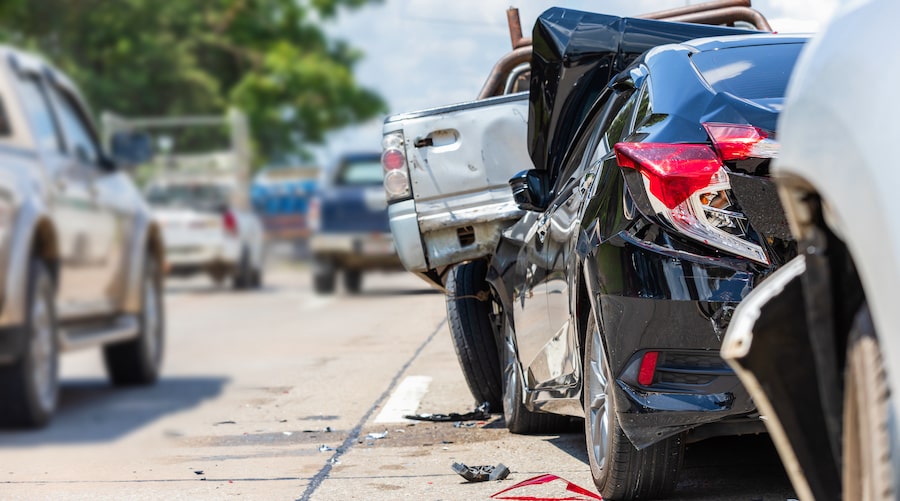
Poor road lighting can create hazardous conditions for drivers, leading to an increased potential for accidents. Adequate illumination is essential in providing visibility, giving drivers and pedestrians the ability to react to their surroundings.
The Significance of Well-Lit Roads in Preventing Accidents
Well-lit roads are crucial in enhancing safety for all road users. At night, proper street lighting improves visibility, allowing drivers to see obstacles, road signs, and other vehicles from a greater distance. This visibility is key in preventing accidents since it provides drivers more time to respond to potential dangers. On well-lit roads, pedestrians and cyclists are also more visible to motorists, reducing the likelihood of collisions.
How Poor Road Lighting Increases the Risk of Collisions
Inadequate street lighting contributes to dangerous road conditions, often compounding the risks associated with night driving. Drivers are less able to perceive and judge the speed and distance of other vehicles or recognize pedestrians and obstructions on poorly lit roads. This reduction in reaction time can directly increase the incidence of accidents. Furthermore, the absence of sufficient lighting may disguise hazards such as potholes or debris, which can lead to vehicle damage or loss of control.
Accident Statistics Related to Inadequate Street Lighting
- In areas with poor lighting:
- The rate of night-time accidents is disproportionately higher compared to well-lit areas.
- Pedestrian fatalities are significantly more common.
- Comparisons between lit and unlit sections of road:
- Show a clear decrease in accident frequency and severity in sections with proper illumination.
These statistics highlight the relationship between inadequate lighting and heightened accident risk, emphasizing the need for systematic improvements in road lighting infrastructure.
Types of Accidents Caused by Inadequate Lighting
When property owners or managers fail to provide adequate lighting, they create environments ripe for accidents. Poor visibility can turn an otherwise safe space into a hazard zone, leading to a variety of preventable injuries. From dimly lit parking lots in Clermont to poorly maintained stairwells in Ocala, the absence of proper light can have serious consequences for unsuspecting individuals. Understanding the common types of accidents caused by these conditions is the first step in recognizing when you might have a case for negligence.
Premises Liability: Slip, Trip, and Fall Accidents
One of the most frequent incidents linked to poor lighting is a slip, trip, or fall. Bad lighting on someone else’s property can easily hide dangers like wet floors, uneven pavement, or stray objects in a walkway. When you can’t see these hazards, you can’t avoid them. This is a core issue in premises liability cases, where a property owner’s failure to maintain a safe environment leads directly to an injury. Whether it’s a darkened hallway in an apartment building or an unlit path at a public park in Mount Dora, property owners have a duty to ensure their premises are reasonably safe, and that includes providing sufficient light.
Stairway and Walkway Incidents
Stairways and walkways are particularly dangerous when they aren’t well-lit. It’s easy to misjudge a step or trip over something you can’t see, like a frayed carpet or a forgotten piece of furniture. These falls can result in severe injuries, including broken bones, sprains, and even traumatic brain injuries. In places with a lot of foot traffic, such as shopping centers in The Villages or office buildings in Leesburg, property managers must ensure these common areas are illuminated to prevent such accidents. If you were injured because a dark staircase or walkway obscured a hazard, the property owner could be held responsible.
Workplace Accidents
Poor lighting in the workplace is a hidden danger that can lead to significant health and safety problems for employees. In environments like warehouses, construction sites, or loading docks, dim lighting makes it difficult to see potential hazards like spills, uneven flooring, or moving equipment. This can result in serious workplace accidents, from slips and falls to more severe incidents involving machinery. Employers have a legal obligation to provide a safe working environment, and that includes ensuring adequate lighting to protect their workers from preventable harm.
Health and Safety Risks for Employees
Beyond the immediate risk of trips and falls, inadequate lighting can cause other health issues for employees. Constant eye strain from trying to see in dim conditions can lead to headaches, fatigue, and reduced productivity. This fatigue can, in turn, lower an employee’s alertness and impair their judgment, increasing the chances of making a mistake that leads to an injury. For workers who operate heavy machinery or perform detailed tasks, clear visibility is non-negotiable. When employers neglect this basic safety measure, they put their entire team at risk for a wide range of injuries.
Increased Risk of Criminal Activity
Dark, poorly lit areas can unfortunately become hotspots for criminal activity. Parking garages, alleys, and apartment complex common areas without sufficient lighting can make people vulnerable to assaults, robberies, and other violent crimes. Property owners have a responsibility to provide adequate security measures, and proper lighting is a fundamental part of that. If you were attacked in a location where poor lighting contributed to the incident, the property owner may be held liable for failing to take reasonable steps to ensure your safety. This falls under premises liability, as it represents a failure to protect visitors from foreseeable harm.
Legal Aspects of Road Lighting and Accident Liability
Poor road lighting can be a significant factor in traffic accidents, which raises legal questions regarding liability and compliance with relevant standards and regulations.
Relevant Laws and Regulations Governing Road Lighting
A variety of laws and regulations set the standards for road lighting. These standards may be defined at a federal, state, or local level. For example, the Manual on Uniform Traffic Control Devices (MUTCD) outlines standards for road lighting on public roads in the United States. Compliance with the MUTCD is required to ensure uniform and adequate lighting that enhances road safety. State and local transportation agencies must adhere to these standards to reduce the risk of accidents due to insufficient lighting.
Identifying the Responsible Party for Maintaining Street Lighting
The party responsible for maintaining street lighting is typically identified by local ordinances or state statutes. It might be a municipal government, a state transportation department, or a private entity managing a specific district. For instance, the California Streets and Highways Code specifies that local authorities are responsible for installing and maintaining street lighting. Identification of the responsible party is crucial when determining liability in the event of an accident where poor lighting may be a contributing factor.
Property Owners and Businesses
Property owners and businesses in places like Mount Dora and The Villages have a legal responsibility to keep their premises reasonably safe for visitors. This includes providing adequate lighting in areas like parking lots, stairwells, and walkways. When a property owner fails to install sufficient lighting or doesn’t replace burnt-out bulbs, they create a dangerous environment where accidents can easily happen. If you are injured in a slip and fall or another incident because of poor lighting, the owner could be held liable for your damages. This falls under an area of law known as premises liability, which holds property owners accountable for neglecting safety on their property.
Employers
In the workplace, proper lighting is a fundamental safety requirement. Poor lighting in warehouses in Ocala, construction sites in Groveland, or even office buildings in Tavares can hide serious hazards like spills, uneven flooring, or misplaced equipment. This significantly increases the risk of on-the-job injuries for employees. Employers have a duty to provide a safe work environment, and that includes ensuring all areas are well-lit to prevent accidents. If you’ve been hurt at work due to inadequate lighting, you may have a claim for workers’ compensation to cover your medical bills and lost wages while you recover.
Contractors and Maintenance Companies
Sometimes, the property owner isn’t the only one at fault. Liability can also extend to third-party contractors or maintenance companies hired to install or service the lighting systems. For example, if an electrical contractor improperly installs a lighting fixture or a maintenance company is negligent in its duty to perform regular checks and repairs, they could be held responsible for any resulting injuries. Determining whether the property owner, a contractor, or another party is liable requires a thorough investigation. An experienced attorney can help uncover the facts and identify all the parties who may share responsibility for the accident.
Proving Negligence in an Inadequate Lighting Claim
Simply getting injured in a poorly lit area isn’t enough to win a personal injury case. To receive compensation, you must prove that another party was negligent and that their negligence directly caused your injuries. This involves gathering evidence to build a strong claim. Evidence might include photographs of the hazardous area, maintenance records for the lighting, witness statements from anyone who saw the accident, and your own medical records detailing your injuries. Successfully proving negligence is the foundation of any personal injury lawsuit, whether your accident happened in a Clermont parking garage or a Leesburg apartment building.
The Four Elements of a Negligence Case
To establish negligence, your case must demonstrate four key elements. First, you have to show the responsible party had a duty to provide adequate lighting and maintain a safe environment. Second, you must prove they breached that duty by failing to do so. Third, you need to establish causation—showing that their failure to provide proper lighting was the direct cause of your accident and injuries. Finally, you must prove you suffered actual damages, such as medical expenses, lost income, or pain and suffering. Our team at Injury LawStars understands how to build a case that clearly establishes each of these critical elements.
Understanding Comparative Negligence in Florida
Florida law follows a rule called “modified comparative negligence,” which can affect how much compensation you receive if you are found to be partially at fault for your accident. If you are determined to be 50% or less responsible for the incident, your compensation will be reduced by your percentage of fault. For example, if you were awarded $100,000 but found to be 20% at fault, you would receive $80,000. However, if you are found to be more than 50% at fault, you are barred from recovering any damages at all. Insurance companies often try to shift blame onto the victim to reduce or deny a claim, which is why having a skilled personal injury attorney is so important to protect your rights and ensure fault is assigned fairly.
The Role of Expert Witnesses in Proving Negligence
Expert witnesses play a pivotal role in determining whether inadequate road lighting contributed to an accident. These experts are often experienced in fields such as civil or traffic engineering and can offer clear, technical insight on whether the lighting condition met legal standards. They examine factors such as light intensity, bulb maintenance, and obstruction by foliage. Their testimony can establish if negligence in maintaining proper road lighting could have led to the accident, thereby influencing the assignment of liability.
The Process of Claiming Compensation After a Poor Lighting Accident
In the aftermath of an accident where poor road lighting is a factor, the quest for compensation involves specific legal steps. Claimants must build a solid case, meticulously document evidence, navigate the claim filing process, and understand the types of compensation they may be eligible for.
Building a Strong Personal Injury Case
Building a personal injury case begins with determining negligence. For causes of car accidents by inadequate lighting, it’s essential to establish that the entity responsible for maintaining the lighting failed in their duty of care. Key factors include:
- Negligence Proof: Demonstrate that the poor lighting was the proximate cause of the car accidents in clermont.
- Legal Advice: Consulting with a Clermont personal injury attorney who can assess the merits of the case and guide through legal nuances.
Steps to Document and Gather Evidence After an Accident
Immediately following the accident, evidence collection is crucial to substantiate claims:
- Photographic Evidence: Take pictures of the accident scene, especially areas showing poor lighting.
- Police Reports: Obtain a copy of the police report, as it serves as an official account of the incident.
- Witness Statements: Record the contact information and accounts of any witnesses.
- Medical Records: Keep detailed records of injuries and treatments, as these are vital for compensation claims.
Seek Immediate Medical Attention
Your health should always be your top priority after any accident. It’s essential to get medical help right away, even if you feel fine or your injuries seem minor. The adrenaline from an accident can easily mask pain, and some serious conditions, like internal bleeding or a traumatic brain injury, may not show symptoms for hours or even days. Seeking prompt medical care ensures you receive the necessary treatment and creates an official medical record. This documentation is incredibly important because it formally links your injuries to the accident, which is a critical piece of evidence if you decide to file a personal injury claim later on.
Report the Accident to the Proper Authority
Creating an official record of the incident is a vital step you shouldn’t skip. If you were in a vehicle collision in a poorly lit area in Lake County or Marion County, call the police to file an accident report. If your injury happened on private or commercial property, like a fall in a dimly lit parking lot in The Villages, you should report the incident to the property owner or manager immediately. This ensures the responsible parties are notified and creates a formal account of what happened, where it happened, and the conditions at the time. This report serves as a key piece of evidence for your insurance company and for any legal proceedings that may follow.
The Process of Filing a Personal Injury Claim
The procedure for filing a claim involves several essential steps:
- Notice of Claim: Send a notice of claim to the at-fault party or their insurer.
- Documentation Submission: Provide all evidence collected to support the claim.
- Claim Assessment: The insurer reviews the claim and may offer a settlement or dispute the claim’s validity.
- Legal Proceedings: If the settlement is insufficient or denied, filing a lawsuit may be the next course of action.
Potential Compensation Available to Victims
The victims of poor lighting accidents may be entitled to various forms of compensation, depending on the severity and impact of the accident on their lives. Possible compensation includes:
- Medical Expenses: Costs for immediate and ongoing medical treatment.
- Lost Wages: Compensation for lost earnings due to injury.
- Pain and Suffering: Financial redress for physical and emotional distress.
- Punitive Damages: In some cases, additional damages to punish especially negligent behavior.
Economic Damages
Economic damages cover the specific, calculable financial losses you’ve incurred because of the accident. Think of these as the direct costs that come with receipts and bills. This includes all medical expenses, from the initial ambulance ride and emergency room visit to ongoing physical therapy, medications, and any future treatments you might need. It also covers lost wages if you were unable to work while recovering from your injuries. If the accident has impacted your ability to earn a living long-term, you can also seek compensation for this loss of future earning capacity. The goal of these damages is to help restore your financial stability to where it was before the collision.
Non-Economic Damages and Emotional Trauma
Beyond the clear financial costs, accidents take a significant personal toll. Non-economic damages are designed to compensate you for these intangible losses, which don’t have a precise dollar value but deeply affect your quality of life. This includes compensation for the physical pain and suffering from your injuries, whether it’s broken bones or a traumatic brain injury. It also addresses the emotional trauma that often follows a collision, such as long-lasting stress, anxiety, or depression. While no amount of money can erase this distress, securing compensation for non-economic damages acknowledges the profound impact the accident has had on your overall well-being and daily life.
Injury LawStars: Advocates for Victims of Poorly Lit Road Accidents
Injury LawStars, a renowned team of Florida car accident lawyer, bring extensive experience and commitment to representing victims of accidents attributed to poor road lighting conditions, particularly in Florida.
Introduction to Injury LawStars and Their Expertise in Personal Injury Cases
In Florida, Injury LawStars is recognized for its proficiency in personal injury cases concerning inadequate road lighting. They are adept at navigating the complexities of Florida law to establish the negligence that led to such accidents. With a detailed understanding of roadway lighting standards and the associated obligations of municipal entities, their cases are built on a strong foundation of legal knowledge and technical acuity.
How Injury LawStars Can Provide Legal Representation and Support
Upon taking a case, Injury LawStars systematically assess the incident with the following steps:
- Investigation: Gather evidence including accident reports, witness statements, and lighting measurements.
- Expert Testimony: Collaborate with lighting engineers to substantiate claims.
- Legal Strategy: Construct a tailored approach using Florida statutes to argue for the victim’s compensation.
At Injury LawStars, our legal team is dedicated to fighting for your rights, led by a personal injury lawyer who understands your situation because she has been an accident victim herself.
If you have recently been involved in a personal injury accident, please get your free consultation by calling 407-887-4690 or by filling out our form.
Frequently Asked Questions
Who is responsible for an accident on a poorly lit road? Determining who is at fault for a crash on a dark road can be complicated. Often, it’s the government body, like a city or county, that is responsible for maintaining streetlights. To hold them liable, you would need to show that they were negligent in their duty to keep the road safely lit. This could mean they knew about broken lights and didn’t fix them or that the lighting design itself was unsafe. Because these cases involve government entities, they require a specific legal approach.
What if my injury happened on private property, like a dark parking lot or stairwell? If you were injured on someone else’s property due to poor lighting, the property owner or business manager is likely the responsible party. Owners have a legal obligation, known as premises liability, to keep their property reasonably safe for visitors. This includes providing enough light in walkways, parking garages, and stairwells to prevent accidents. A failure to replace burnt-out bulbs or install proper lighting can be considered negligence if it leads to an injury.
What should I do right after an accident to protect my claim? Your first priority should always be your health, so seek medical attention immediately, even for what seems like a minor injury. Next, report the incident to the proper authority. This means calling the police for a traffic collision or notifying the property manager for a slip and fall. If you are able, take photos and videos of the scene, paying close attention to the poor lighting conditions. These initial steps are critical for creating an official record and gathering evidence for your case.
What happens if I’m partially blamed for the accident? Florida law addresses this situation with a rule called modified comparative negligence. If you are found to be 50% or less at fault for your accident, you can still recover compensation, but your final award will be reduced by your percentage of fault. For instance, if you were found 10% responsible, your compensation would be reduced by 10%. However, if you are found to be more than 50% at fault, you cannot recover any damages. Insurance companies often try to place blame on the victim, so it’s important to have someone advocating for a fair assessment of liability.
What types of compensation can I receive for my injuries? Compensation is typically divided into two main categories. The first is economic damages, which cover your measurable financial losses like medical bills, lost income from being unable to work, and the cost of any future care you may need. The second is non-economic damages, which compensate you for the personal, non-financial impact of the accident. This includes your physical pain, emotional distress, and the overall effect the injury has had on your quality of life.
Key Takeaways
- Identify All Responsible Parties: Liability for an accident in a poorly lit area often extends beyond the driver. Property owners, government entities, and maintenance companies can be held accountable if they failed to provide safe and adequate lighting.
- Establish Negligence to Build a Strong Case: A successful claim depends on proving that a responsible party had a duty to provide sufficient light, breached that duty, and that this failure directly caused your accident and subsequent injuries.
- Take Critical Steps After an Accident: Protect your health and your potential claim by seeking immediate medical attention, reporting the incident to the proper authorities to create an official record, and documenting the scene with photos and witness information.
Related Articles
- How Does Poor Lighting Affect Accident Liability?
- Night Driving Accidents: Risks & Prevention
- Fog Driving Visibility: How We Protect Your Rights